
WinSavvy Editorial Standards
How this article was created
- 1. How does cause marketing affect a company's image?
- 2. Will consumers switch to a brand that supports a good cause?
- 3. Are Millennials willing to spend more on brands that support a cause?
- 4. Do consumers expect brands to address social issues?
- 5. Are consumers willing to pay extra for products from socially responsible companies?
- 6. Do employees prefer to work for socially responsible companies?
- 7. How does supporting environmental issues affect a company's image?
- 8. Do consumers prefer to purchase from purpose-driven brands?
- 9. Do consumers believe companies should do more than just make money?
- 10. How does cause marketing influence emotional connections with brands?
- 11. Will consumers buy a product because a company advocates for an issue they care about?
- 12. Are global consumers willing to pay more for sustainable brands?
- 13. How does cause marketing affect brand loyalty?
- 14. Are consumers more likely to share content from brands that support social causes?
- 15. Do consumers want brands to take a stand on social issues?
- 16. Do consumers expect companies to operate responsibly beyond making a profit?
- 17. Are Gen Z consumers more likely to support brands that contribute to social causes?
- 18. How important is it for Millennials that companies align with their values?
- 19. Do consumers make purchase decisions based on a brand's charitable activities?
- 20. Do consumers want brands to help them make a difference?
- 21. How does participating in social or environmental causes affect employee engagement?
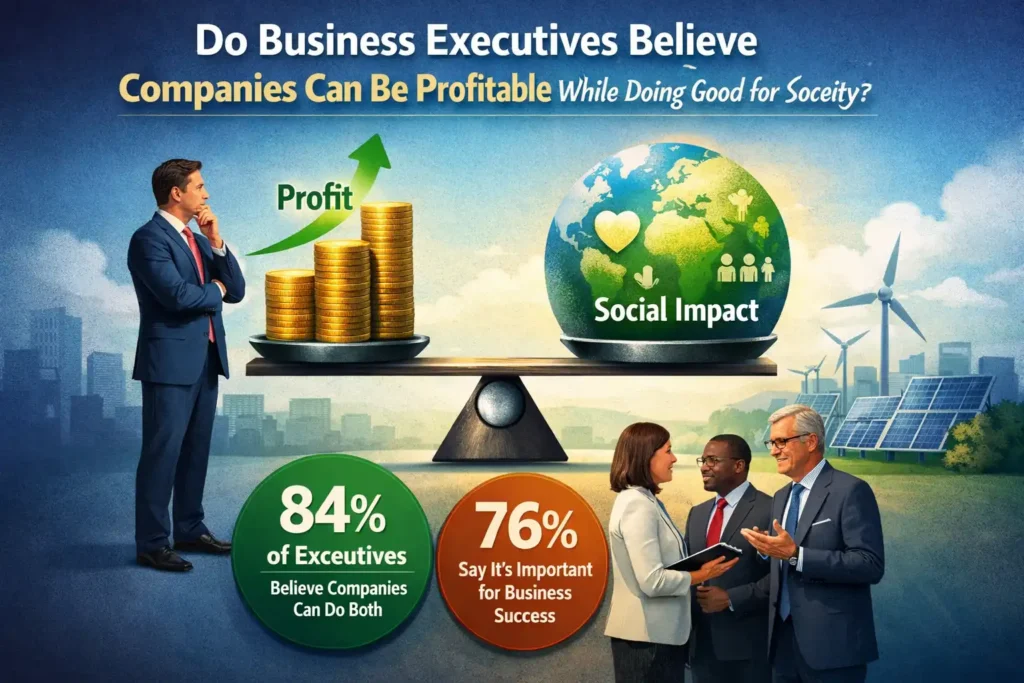
- 22. Do business executives believe that companies can be profitable while doing good for society?
- 23. Do consumers believe it is important for businesses to design products that are meant to be reused or recycled?
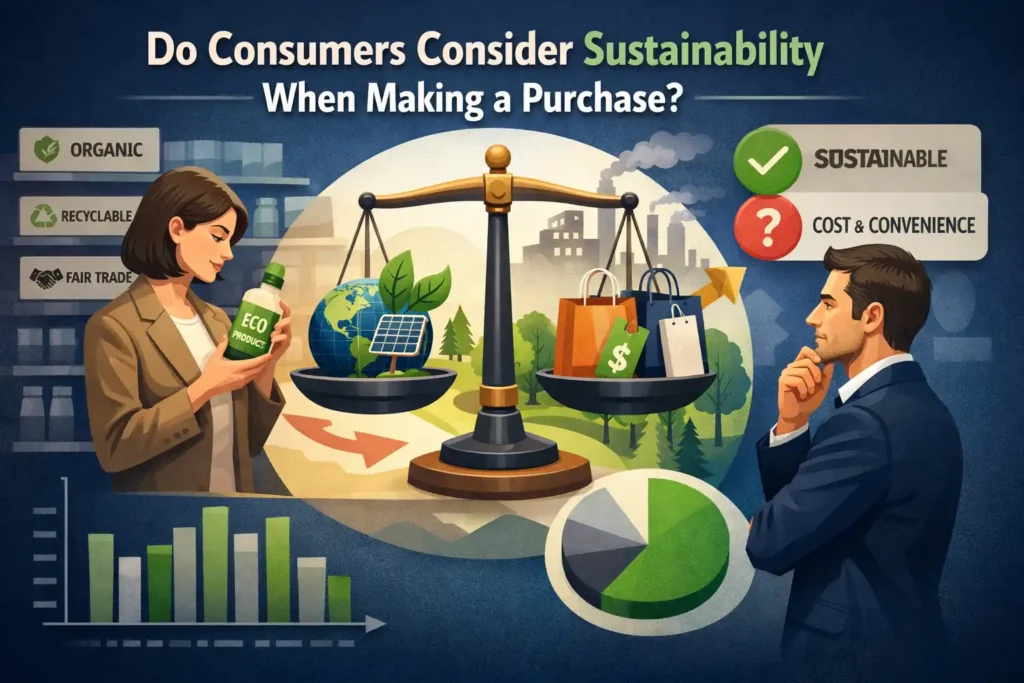
- 24. Do consumers consider sustainability when making a purchase?
- 25. Are consumers likely to share positive experiences with purpose-driven brands?
- 26. Are consumers likely to recommend a brand that supports a good cause?
- 27. Do consumers believe that businesses have a responsibility to make the world a better place?
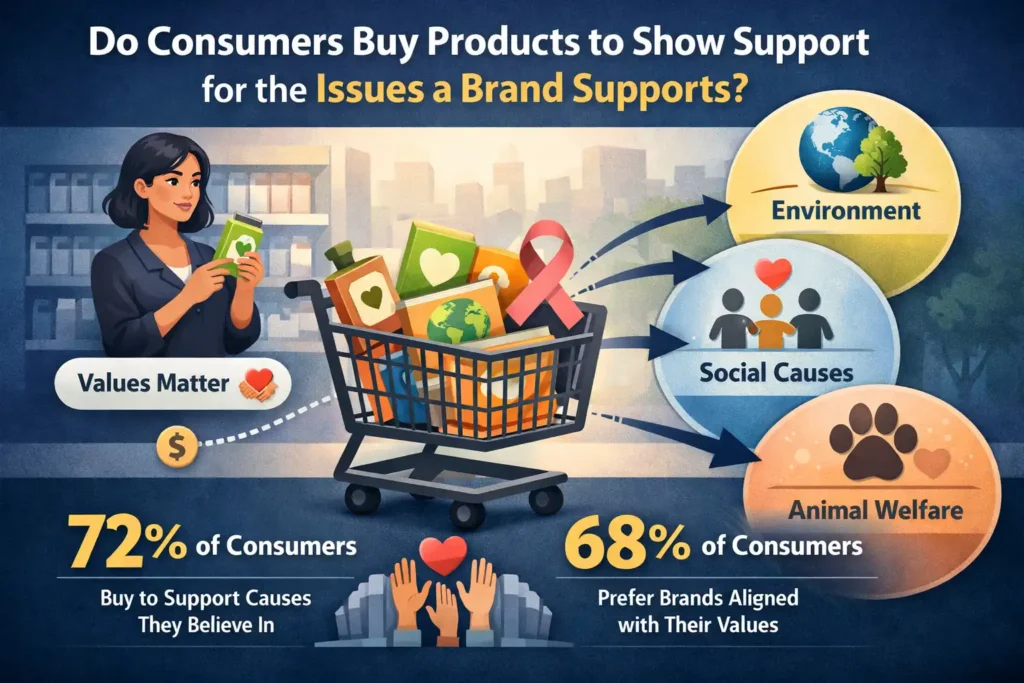
- 28. Do consumers buy products to show support for the issues a brand supports?
- 29. Are consumers more likely to buy from a brand they can trust?
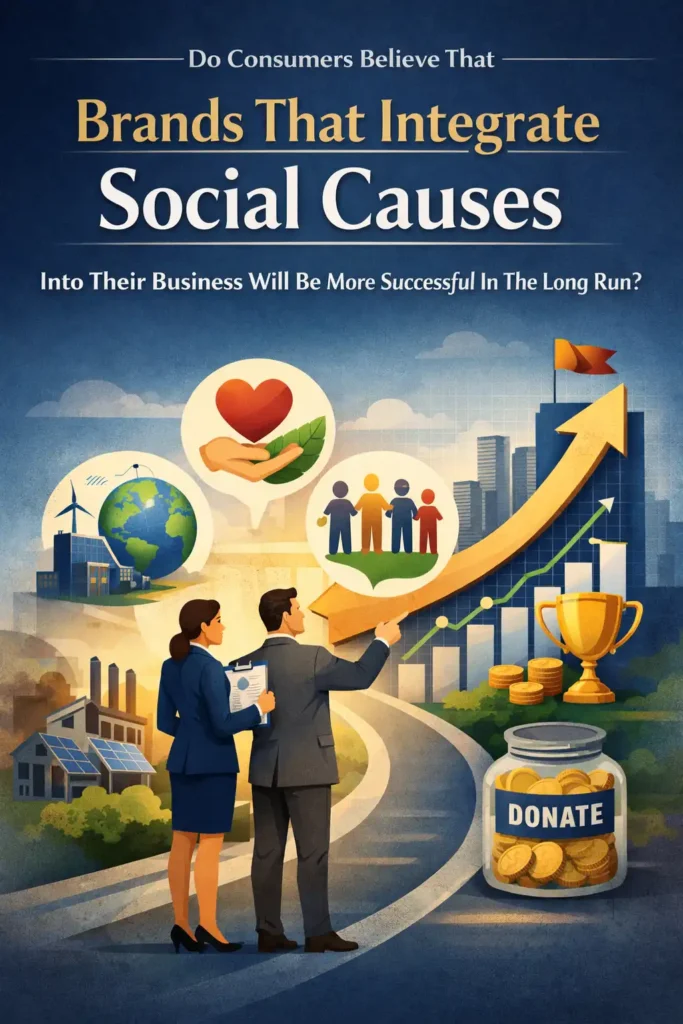
- 30. Do consumers believe that brands that integrate social causes into their business will be more successful in the long run?
- We got all the latest Marketing Stats here:
In today’s world, consumers are increasingly looking to support brands that align with their values and make a positive impact
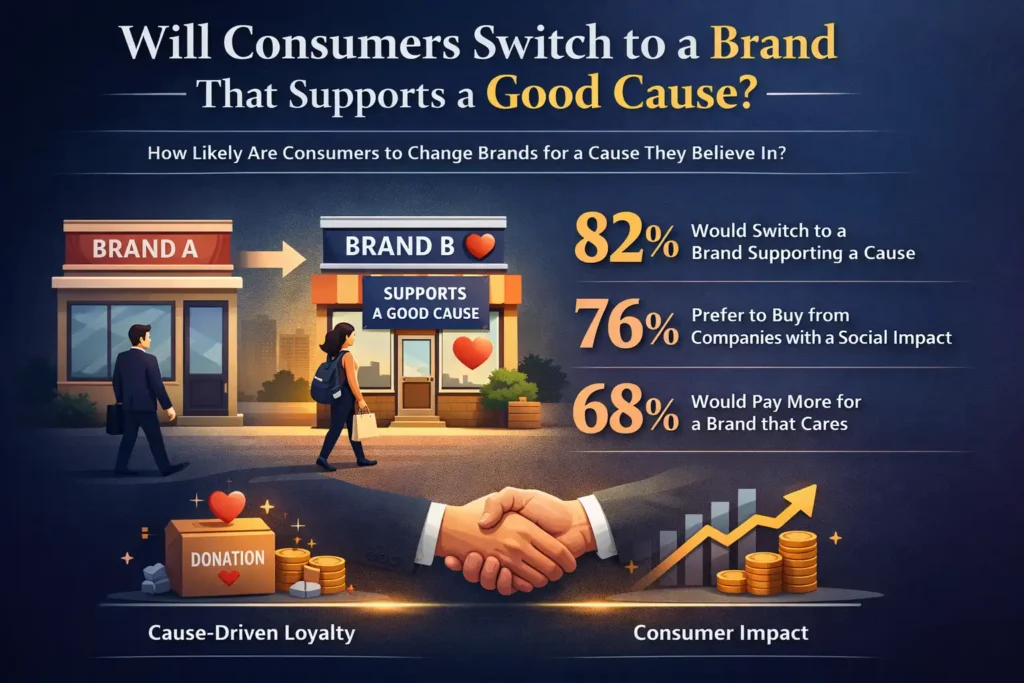
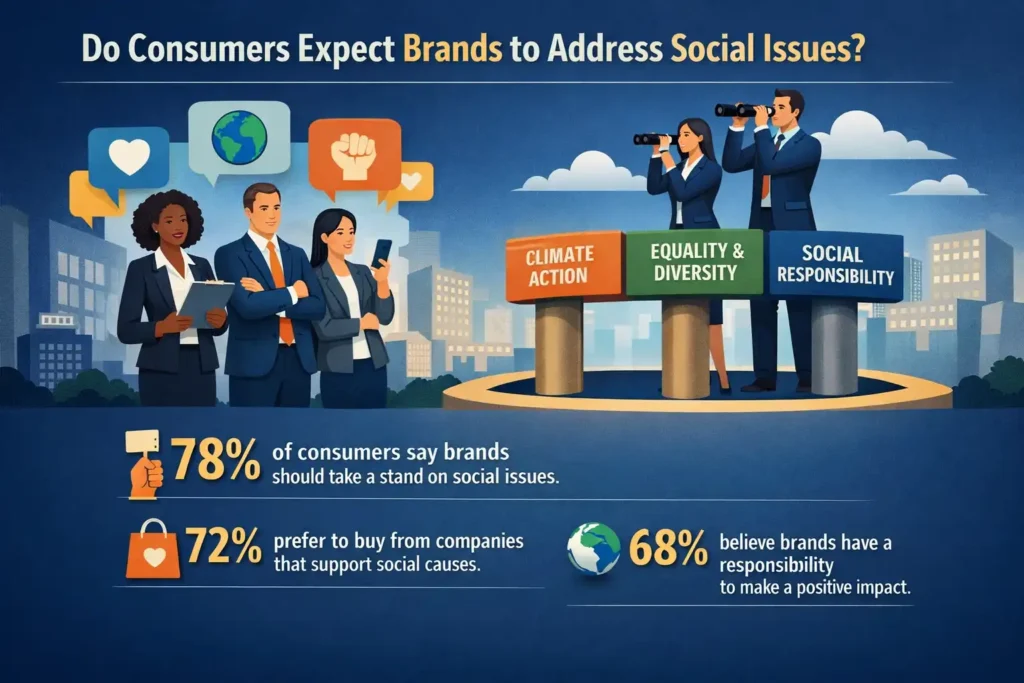
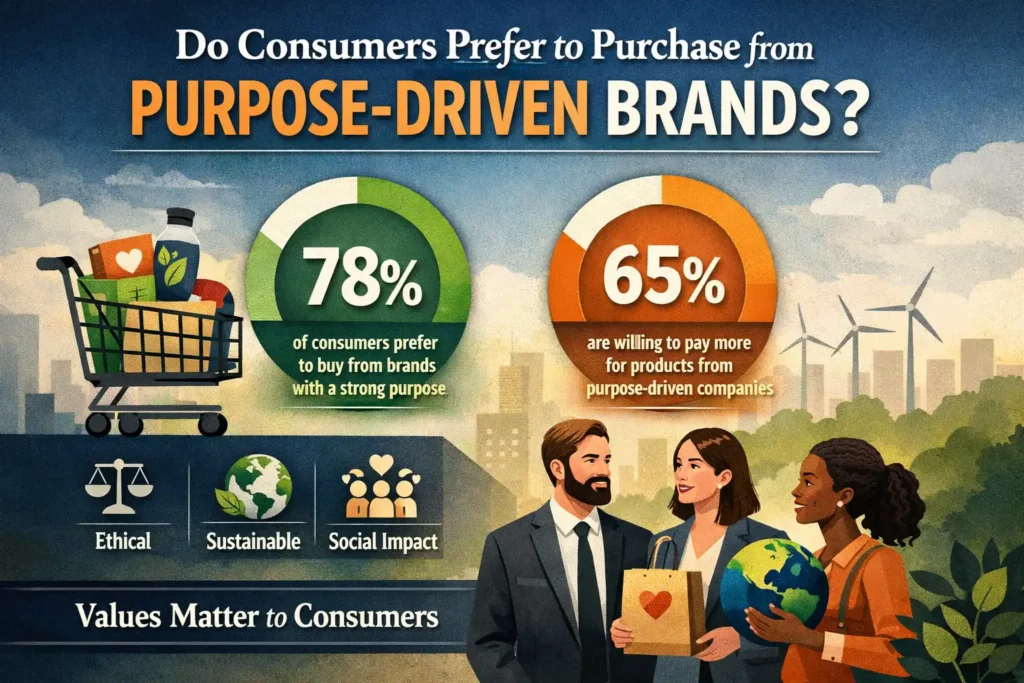
85% of consumers have a more positive image of a product or company when it supports a cause they care about. Cause marketing significantly enhances a company’s image by showing consumers that the brand cares about more than just profits. This positive perception can lead to increased customer loyalty and brand advocacy, as people are more likely to support businesses that align with their values. 90% of consumers say they would switch to a brand that supports a good cause, given similar price and quality. Consumers are willing to change their buying habits to support brands that align with their values. This willingness to switch presents a significant opportunity for brands to attract new customers by integrating cause marketing into their strategy. 70% of Millennials are willing to spend more on brands that support a cause they care about. Millennials, a significant consumer demographic, are particularly driven by values and purpose. They are willing to pay a premium for products from brands that support causes they believe in, making them a key target for cause marketing efforts. 64% of consumers believe that brands should use their influence to address social issues. Consumers increasingly expect brands to take a stand on social issues and use their platform to drive positive change. This expectation underscores the importance of integrating cause marketing into your brand strategy. 55% of consumers are willing to pay extra for products from socially responsible companies. Consumers value social responsibility and are willing to pay a premium for products that contribute to positive social and environmental outcomes. This willingness to spend more highlights the potential for cause marketing to drive higher revenue. 67% of employees would prefer to work for a company that is socially responsible. Social responsibility is not only important to consumers but also to employees. Companies that prioritize cause marketing can attract and retain talent by fostering a sense of purpose and alignment with employees’ values. 92% of consumers have a more positive image of a company that supports environmental issues. Supporting environmental causes can significantly enhance a company’s image. Consumers are increasingly concerned about environmental sustainability and appreciate brands that contribute to protecting the planet. 63% of consumers prefer to purchase from purpose-driven brands. Consumers are drawn to brands that have a clear purpose beyond making profits. Purpose-driven brands resonate more with consumers and can build stronger, long-lasting relationships. 73% of consumers think companies should do more than just make money; they should also positively impact society. Consumers expect companies to contribute to societal well-being and not just focus on profits. This expectation makes cause marketing an essential strategy for modern businesses. 77% of consumers feel a stronger emotional connection to purpose-driven companies. Cause marketing can deepen emotional connections between consumers and brands. When consumers see that a brand cares about the same issues they do, it fosters a sense of loyalty and attachment. 87% of consumers will buy a product because a company advocated for an issue they cared about. Advocacy for social issues can drive consumer purchases. When companies take a stand on important issues, they can attract customers who share their values. 66% of global consumers are willing to pay more for sustainable brands. Sustainability is a major concern for consumers worldwide. Many are willing to pay a premium for brands that prioritize sustainable practices. 80% of consumers are more loyal to brands that support social or environmental issues. Supporting social or environmental causes can significantly enhance brand loyalty. Consumers are more likely to remain loyal to brands that align with their values and make a positive impact. 68% of consumers are more likely to share content from brands that support social causes. Cause marketing can increase social media engagement. Consumers are more likely to share content that highlights a brand’s support for social causes, amplifying your message and reach. 60% of consumers want brands to take a stand on social issues. Consumers expect brands to be vocal about social issues and take a stand. Silence or neutrality can be perceived negatively, while proactive engagement can enhance brand reputation. 91% of global consumers expect companies to do more than just make a profit, they expect them to operate responsibly to address social and environmental issues. The majority of consumers believe that businesses have a responsibility to contribute positively to society and the environment. This expectation goes beyond financial performance and includes ethical practices and community involvement. 75% of Gen Z consumers say they are more likely to buy from a brand that contributes to social causes. Gen Z, the newest generation of consumers, places a high value on social responsibility. They are more inclined to support brands that actively contribute to social causes. 83% of Millennials find it important for companies to align with their values. Millennials, a significant and influential consumer group, prioritize value alignment when choosing brands. They seek out companies that share their beliefs and ethical standards. 52% of consumers make purchase decisions based on a brand’s charitable activities. Charitable activities can significantly influence consumer purchase decisions. Brands that are actively involved in charitable work tend to attract more customers. 88% of consumers want brands to help them make a difference. Consumers are looking for brands that empower them to contribute to social and environmental causes. They appreciate businesses that provide them with the means to make a positive impact. 72% of employees feel more engaged when their company participates in social or environmental causes. Employee engagement can be significantly enhanced when companies are involved in social or environmental causes. Engaged employees are more productive and loyal to the company. 95% of business executives believe that companies can enhance their profitability while also doing good for society. Most business executives recognize that social responsibility and profitability are not mutually exclusive. Companies can achieve financial success while making positive contributions to society. 84% of consumers believe it is important for businesses to design products that are meant to be reused or recycled. Sustainable product design is a priority for many consumers. They prefer products that minimize environmental impact through reuse and recycling. 82% of consumers say they consider sustainability when making a purchase. Sustainability is a key consideration for many consumers when making purchasing decisions. Brands that prioritize sustainable practices are more likely to attract and retain customers. 78% of consumers would tell others about their positive experiences with purpose-driven brands. Word-of-mouth marketing is powerful, especially when it comes to purpose-driven brands. Satisfied customers are likely to share their positive experiences, amplifying your brand’s message. 69% of consumers are likely to recommend a brand that supports a good cause. Cause marketing can significantly boost brand recommendations. When consumers see that a brand supports a good cause, they are more likely to recommend it to others. 74% of consumers believe that businesses have a responsibility to make the world a better place. There is a strong belief among consumers that businesses should play a role in improving society and the environment. This belief underscores the importance of cause marketing. 61% of consumers have bought a product to show support for the issue the brand supports. Consumers are motivated to purchase products as a way to support the causes a brand advocates. This behavior highlights the effectiveness of cause marketing in driving sales. 81% of consumers say they would only buy from a brand they can trust. Trust is a critical factor in consumer purchasing decisions. Brands that demonstrate integrity and a commitment to social responsibility are more likely to earn and maintain consumer trust. 70% of consumers believe that brands that integrate social causes into their business will be more successful in the long run. Integrating social causes into business strategies is seen as a path to long-term success. Consumers believe that brands that commit to positive social impact are more likely to thrive. Read Next1. How does cause marketing affect a company’s image?

Actionable Advice:
2. Will consumers switch to a brand that supports a good cause?
Actionable Advice:
3. Are Millennials willing to spend more on brands that support a cause?
Actionable Advice:
4. Do consumers expect brands to address social issues?
Actionable Advice:
5. Are consumers willing to pay extra for products from socially responsible companies?
Actionable Advice:
6. Do employees prefer to work for socially responsible companies?
Actionable Advice:
7. How does supporting environmental issues affect a company’s image?
Actionable Advice:
8. Do consumers prefer to purchase from purpose-driven brands?
Actionable Advice:
9. Do consumers believe companies should do more than just make money?
Actionable Advice:
10. How does cause marketing influence emotional connections with brands?

Actionable Advice:
11. Will consumers buy a product because a company advocates for an issue they care about?
Actionable Advice:
12. Are global consumers willing to pay more for sustainable brands?
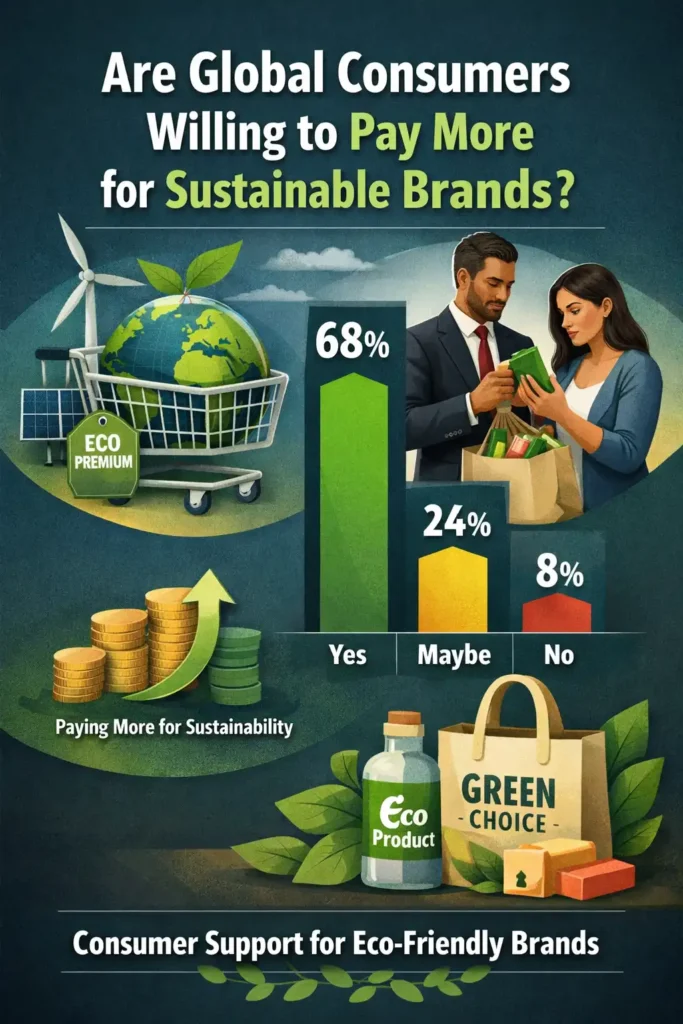
Actionable Advice:
13. How does cause marketing affect brand loyalty?
Actionable Advice:
14. Are consumers more likely to share content from brands that support social causes?
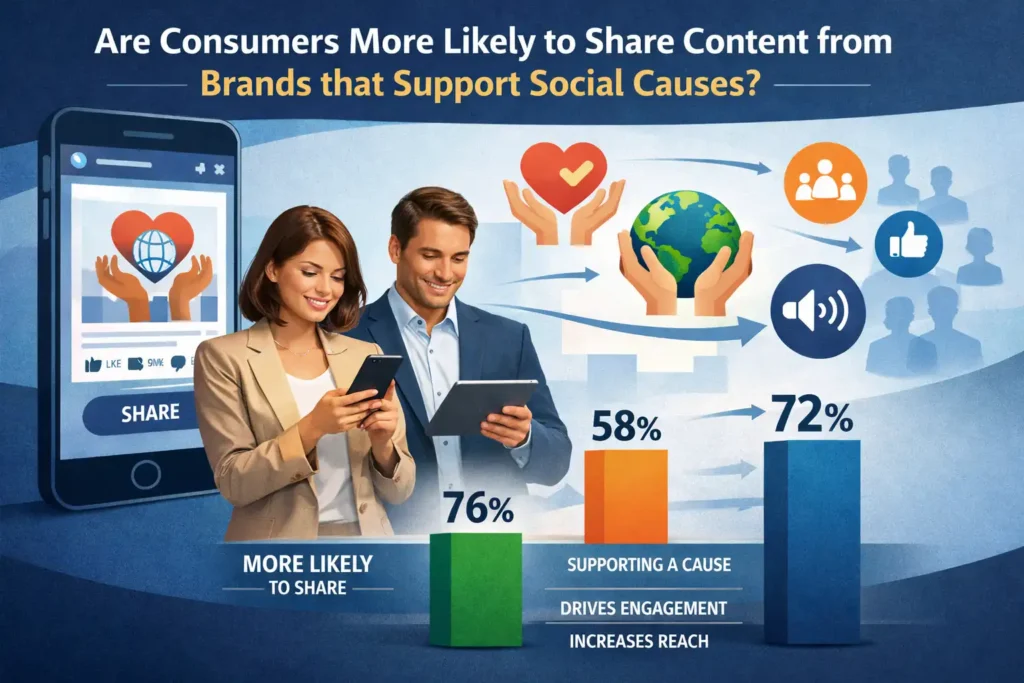
Actionable Advice:
15. Do consumers want brands to take a stand on social issues?
Actionable Advice:

16. Do consumers expect companies to operate responsibly beyond making a profit?
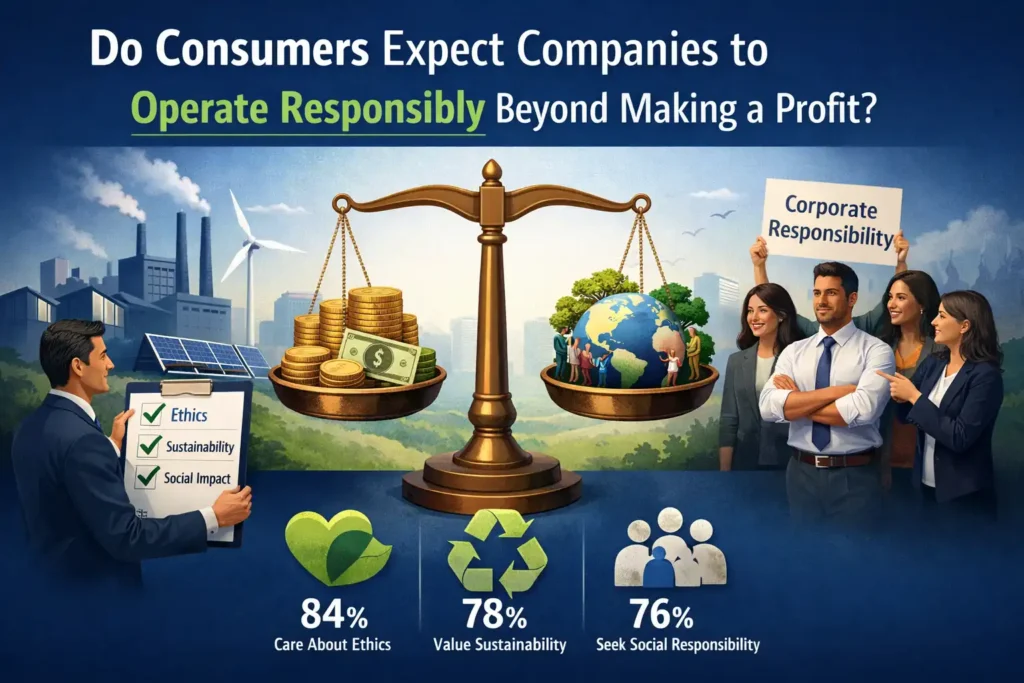
Actionable Advice:
17. Are Gen Z consumers more likely to support brands that contribute to social causes?
Actionable Advice:
18. How important is it for Millennials that companies align with their values?
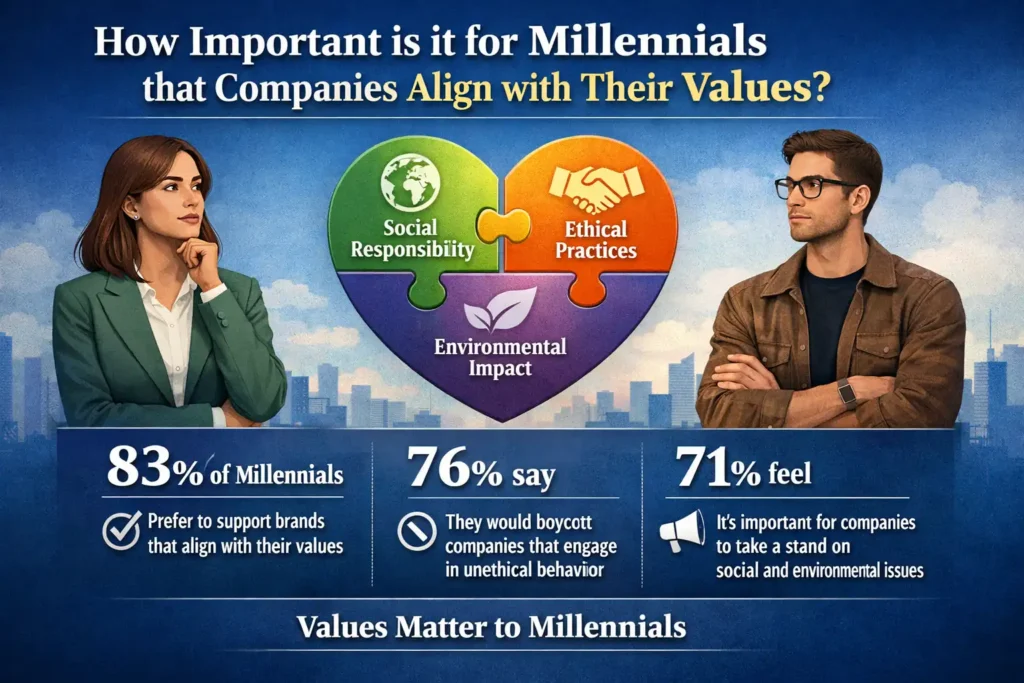
Actionable Advice:
19. Do consumers make purchase decisions based on a brand’s charitable activities?
Actionable Advice:
20. Do consumers want brands to help them make a difference?

Actionable Advice:
21. How does participating in social or environmental causes affect employee engagement?
Actionable Advice:
22. Do business executives believe that companies can be profitable while doing good for society?
Actionable Advice:
23. Do consumers believe it is important for businesses to design products that are meant to be reused or recycled?
Actionable Advice:
24. Do consumers consider sustainability when making a purchase?
Actionable Advice:
25. Are consumers likely to share positive experiences with purpose-driven brands?
Actionable Advice:
26. Are consumers likely to recommend a brand that supports a good cause?

Actionable Advice:
27. Do consumers believe that businesses have a responsibility to make the world a better place?
Actionable Advice:
28. Do consumers buy products to show support for the issues a brand supports?
Actionable Advice:
29. Are consumers more likely to buy from a brand they can trust?
Actionable Advice:
30. Do consumers believe that brands that integrate social causes into their business will be more successful in the long run?
Actionable Advice:
We got all the latest Marketing Stats here:













Comments are closed.