
WinSavvy Editorial Standards
How this article was created
- 1. How Does AI Enhance Marketing Performance?
- 2. What Revenue Increases Can Be Expected from AI-Powered Marketing Campaigns?
- 3. How Does AI Improve Customer Satisfaction?
- 4. How Prevalent Is AI Among High-Performing Marketing Teams?
- 5. How Does AI Impact Marketing Costs?
- 6. What Percentage of Customer Interactions Will Be Handled by AI?
- 7. How Common Is AI-Driven Content Creation?
- 8. How Does AI Help Automate Repetitive Marketing Tasks?
- 9. How Does AI Improve Email Marketing?
- 10. How Does AI Provide a Competitive Advantage?
- 11. How Does AI-Powered Personalization Affect Conversion Rates?
- 12. How Does AI Improve Customer Engagement?
- 13. What Role Do AI Chatbots Play in Customer Service?
- 14. How Is AI Used in B2B Lead Generation?
- 15. How Does AI Enhance Data Analysis?
- 16. How Does AI Improve Customer Experience?
- 17. What ROI Can Be Expected from AI Applications in Marketing?
- 18. Are Marketers Increasing Their Investment in AI?
- 19. How Does AI-Driven Analytics Improve Decision-Making?
- 20. How Do Companies Use AI to Improve Social Media Strategies?
- 21. How Will AI Revolutionize the Marketing Industry?
- 22. How Does AI Enable 24/7 Customer Service Support?
- 23. How Is AI Used in Predictive Analytics?
- 24. How Does AI Enhance Ad Targeting?
- 25. How Does AI Help Understand Customer Preferences?
- 26. How Is AI Used to Optimize Content Marketing Strategies?
- 27. How Does AI Reduce Time Spent on Data Analysis?
- 28. How Essential Will AI Be for Future Marketing Efforts?
- 29. How Common Are AI-Powered CRM Systems?
- 30. How Does AI Improve Marketing Campaign Efficiency?
- Conclusion
- We got all the latest Marketing Stats here:
1. How Does AI Enhance Marketing Performance?

The Impact on Marketing Performance
AI significantly enhances marketing performance, with 80% of marketers reporting that AI improves their marketing efforts. By leveraging AI technologies, marketers can automate repetitive tasks, analyze vast amounts of data, and gain deeper insights into customer behaviors. This leads to more efficient and effective marketing strategies that drive better results.
Implementing AI tools in your marketing processes can help you optimize campaigns, personalize customer experiences, and increase overall marketing efficiency. Embrace AI to stay ahead of the competition and deliver more impactful marketing initiatives.
2. What Revenue Increases Can Be Expected from AI-Powered Marketing Campaigns?
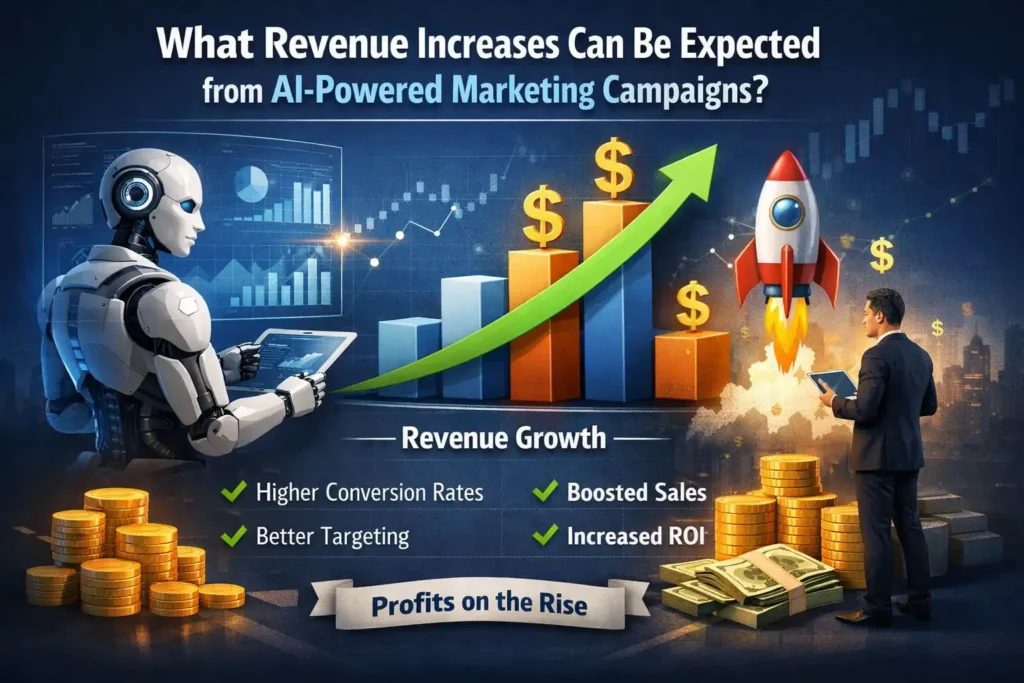
Revenue Growth with AI
AI-powered marketing campaigns see a 37% increase in revenue. This substantial growth is attributed to AI’s ability to analyze data in real-time, predict customer behaviors, and optimize marketing efforts. By automating and enhancing various aspects of marketing, AI helps businesses achieve higher conversion rates and maximize their return on investment.
To harness the revenue-boosting potential of AI, integrate AI-driven tools into your marketing strategy. Focus on areas such as predictive analytics, personalized marketing, and real-time campaign adjustments to drive significant revenue growth.
3. How Does AI Improve Customer Satisfaction?
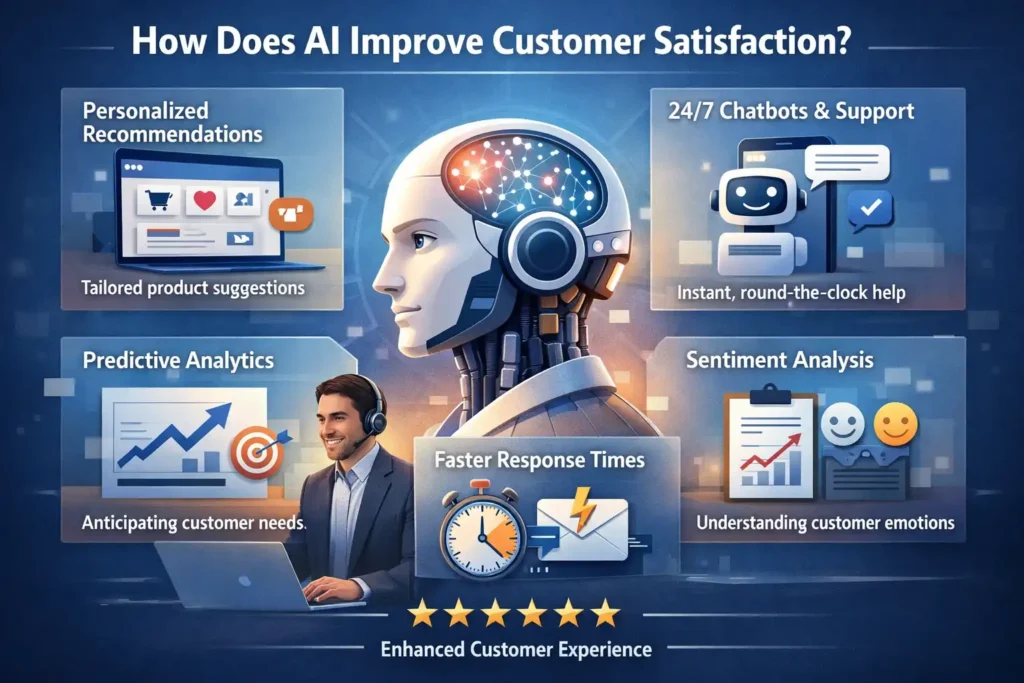
Enhancing Customer Satisfaction
A notable 75% of companies using AI report that it improves customer satisfaction. AI technologies such as chatbots, personalized recommendations, and predictive analytics help businesses provide better customer experiences. By addressing customer needs promptly and accurately, AI enhances overall satisfaction and loyalty.
Incorporate AI solutions into your customer service and engagement strategies to improve response times, personalize interactions, and anticipate customer needs. This will help you build stronger relationships with your customers and foster long-term loyalty.
4. How Prevalent Is AI Among High-Performing Marketing Teams?
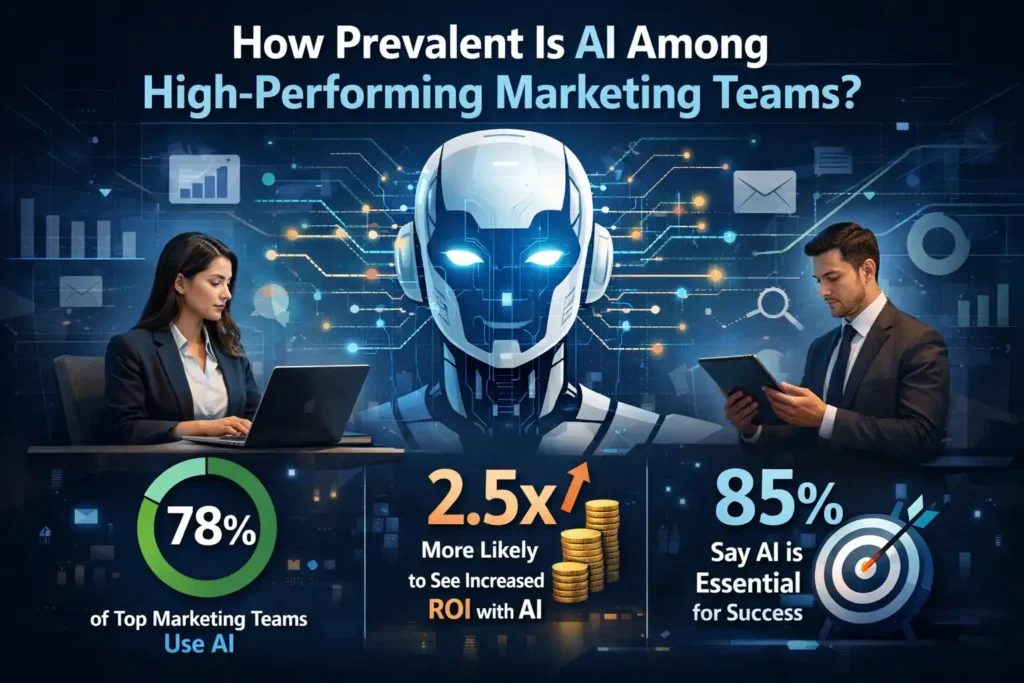
AI Adoption in High-Performing Teams
AI is used by 70% of high-performing marketing teams. These teams leverage AI to gain a competitive edge by automating processes, optimizing campaigns, and delivering personalized customer experiences. The widespread adoption of AI among top marketers highlights its importance in achieving marketing success.
To join the ranks of high-performing teams, invest in AI technologies that enhance your marketing capabilities. Focus on tools that offer automation, advanced analytics, and personalization to drive superior marketing outcomes.
5. How Does AI Impact Marketing Costs?
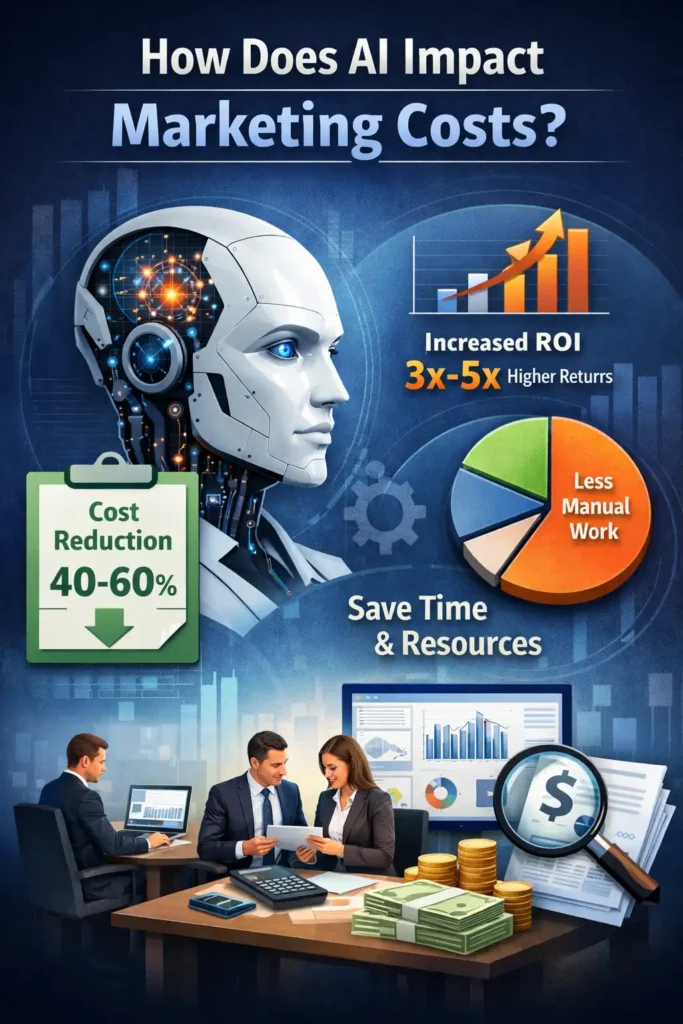
Cost Reduction with AI
AI can reduce marketing costs by up to 30%. By automating repetitive tasks and optimizing resource allocation, AI helps businesses operate more efficiently and reduce overhead costs. This allows marketers to allocate their budgets more effectively and invest in high-impact areas.
Implement AI solutions that streamline your marketing operations and reduce manual efforts. This will help you achieve cost savings while maintaining or even improving the quality of your marketing campaigns.
6. What Percentage of Customer Interactions Will Be Handled by AI?
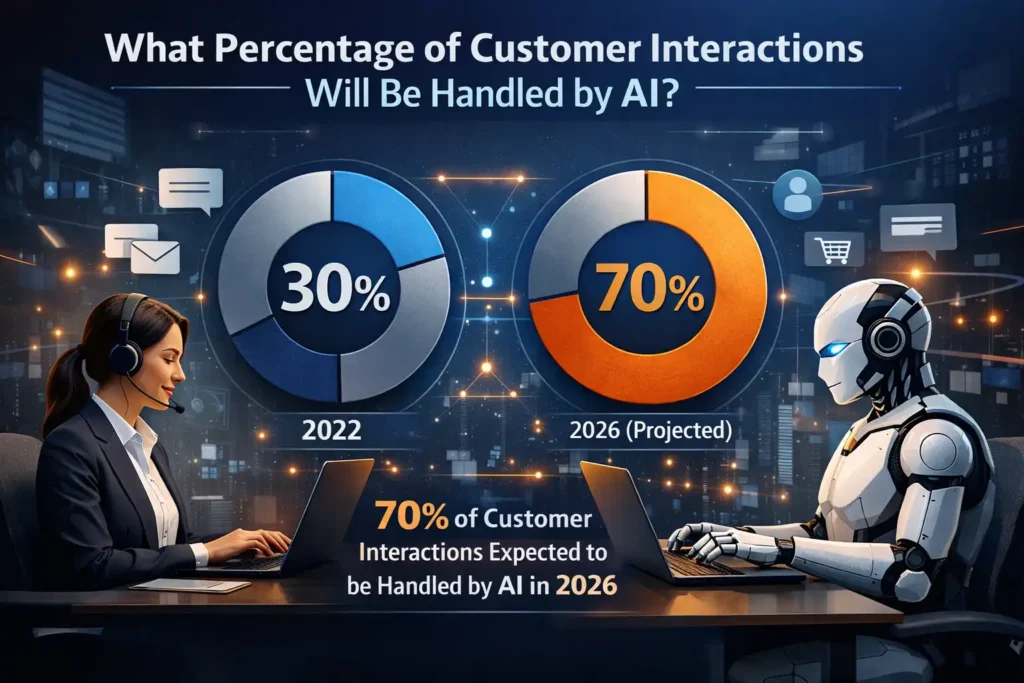
AI in Customer Interactions
To prepare for this shift, integrate AI-driven customer service tools into your operations. Ensure your AI solutions are capable of handling a wide range of customer inquiries and providing accurate, helpful responses.
7. How Common Is AI-Driven Content Creation?
AI in Content Creation
AI-driven content creation is used by 60% of marketers. AI tools can generate content quickly and accurately, helping marketers keep up with the demand for fresh, relevant content. From writing blog posts to creating social media updates, AI assists in producing high-quality content at scale.
Incorporate AI content creation tools into your marketing strategy to streamline your content production process. Use AI to generate ideas, write drafts, and optimize your content for better engagement and performance.
8. How Does AI Help Automate Repetitive Marketing Tasks?
Automating Tasks with AI
AI is believed by 68% of marketers to automate repetitive tasks. Tasks such as data entry, email scheduling, and social media posting can be automated using AI, freeing up time for marketers to focus on more strategic activities. Automation enhances productivity and ensures consistent execution of marketing tasks.
Identify repetitive tasks in your marketing processes and implement AI tools to automate them. This will help you save time, reduce errors, and improve overall efficiency.
9. How Does AI Improve Email Marketing?
Boosting Email Open Rates
AI improves email open rates by 41%. AI can analyze customer data to determine the best times to send emails, personalize content, and optimize subject lines. These improvements lead to higher engagement and better performance of email campaigns.
Leverage AI-powered email marketing tools to enhance your email campaigns. Use AI to segment your audience, personalize messages, and optimize delivery times to increase open rates and engagement.
10. How Does AI Provide a Competitive Advantage?
Achieving Competitive Advantage with AI
A significant 64% of businesses believe AI will help them achieve a competitive advantage. AI enables businesses to operate more efficiently, understand customer needs better, and deliver superior experiences. This competitive edge can lead to increased market share and business growth.
To gain a competitive advantage, invest in AI technologies that enhance your marketing capabilities. Focus on areas such as data analysis, customer personalization, and process automation to stay ahead of your competitors.
11. How Does AI-Powered Personalization Affect Conversion Rates?
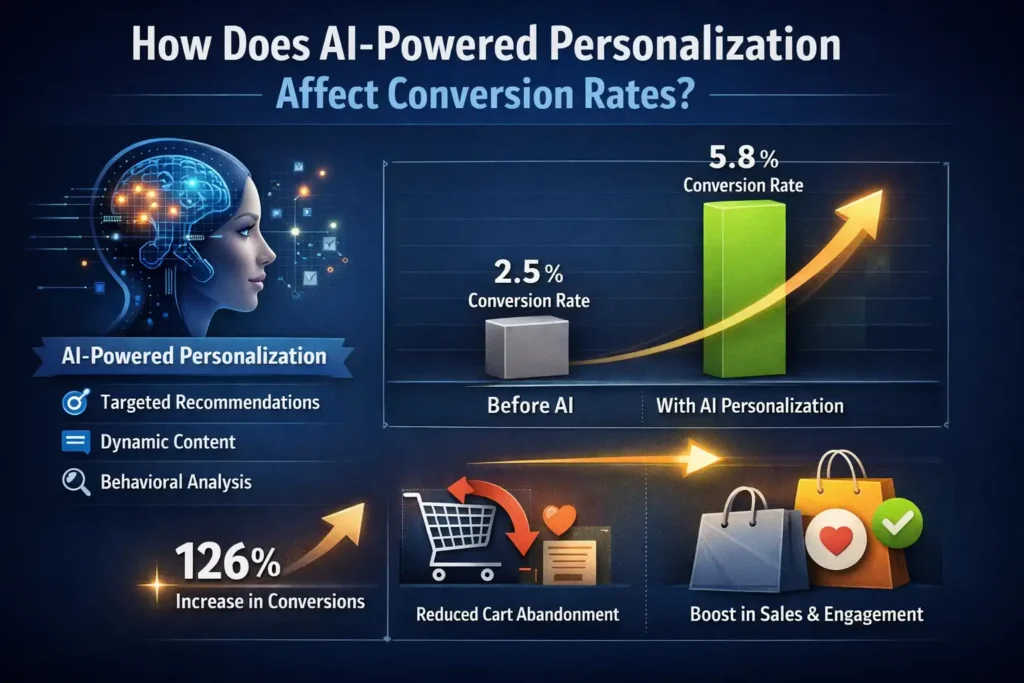
Increasing Conversion Rates with AI
AI-powered personalization increases conversion rates by 33%. By analyzing customer data and behavior, AI can deliver highly personalized experiences that resonate with individual users. This leads to higher engagement and more conversions.
To leverage AI for personalization, implement tools that track and analyze customer interactions. Use this data to tailor your marketing messages, product recommendations, and overall user experience to each individual customer.
12. How Does AI Improve Customer Engagement?
Enhancing Engagement with AI
A significant 72% of marketers see improved customer engagement through AI. AI technologies enable more personalized and timely interactions, which can enhance the overall customer experience. Engaged customers are more likely to remain loyal and make repeat purchases.
To improve engagement, use AI to analyze customer behavior and preferences. Implement AI-driven chatbots and personalized content recommendations to interact with customers in a more meaningful and engaging way.
13. What Role Do AI Chatbots Play in Customer Service?
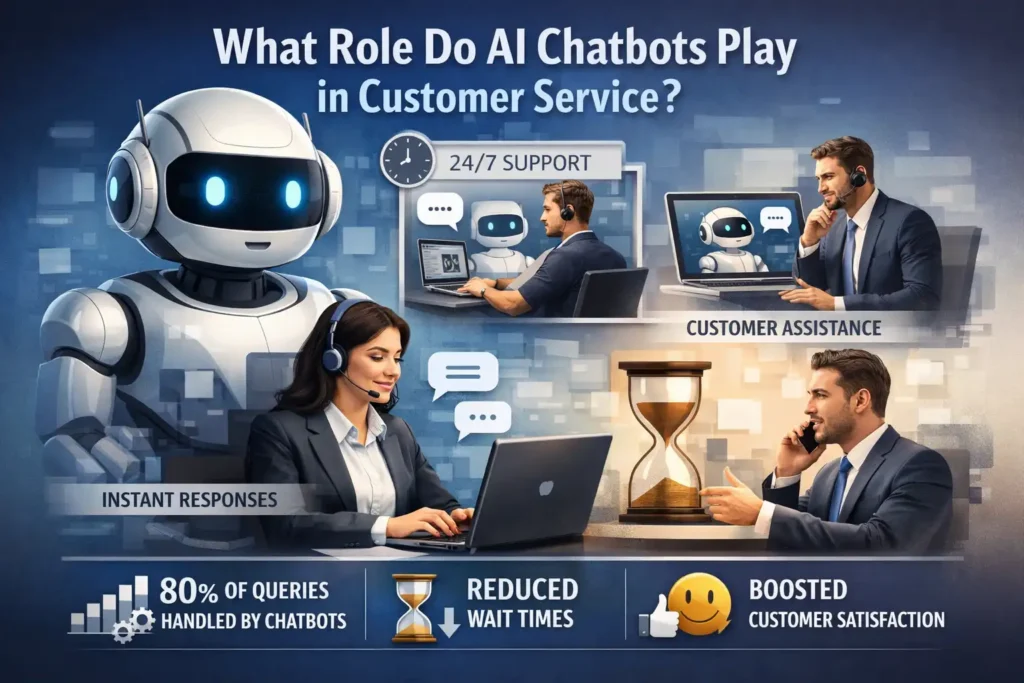
AI Chatbots in Customer Service
AI chatbots can handle 80% of routine customer inquiries. By automating responses to common questions and issues, AI chatbots free up human agents to focus on more complex tasks. This leads to more efficient customer service and quicker resolution times.
Incorporate AI chatbots into your customer service strategy to handle routine inquiries. Ensure your chatbots are programmed with a comprehensive knowledge base to provide accurate and helpful responses.
14. How Is AI Used in B2B Lead Generation?
AI for Lead Generation
A significant 65% of B2B marketers use AI for lead generation. AI can identify potential leads, score them based on their likelihood to convert, and automate initial outreach. This helps B2B companies generate more qualified leads and streamline their sales processes.
To use AI for lead generation, implement tools that analyze data from various sources to identify high-potential leads. Use AI to automate lead nurturing and follow-up communications, ensuring timely and relevant interactions.
15. How Does AI Enhance Data Analysis?
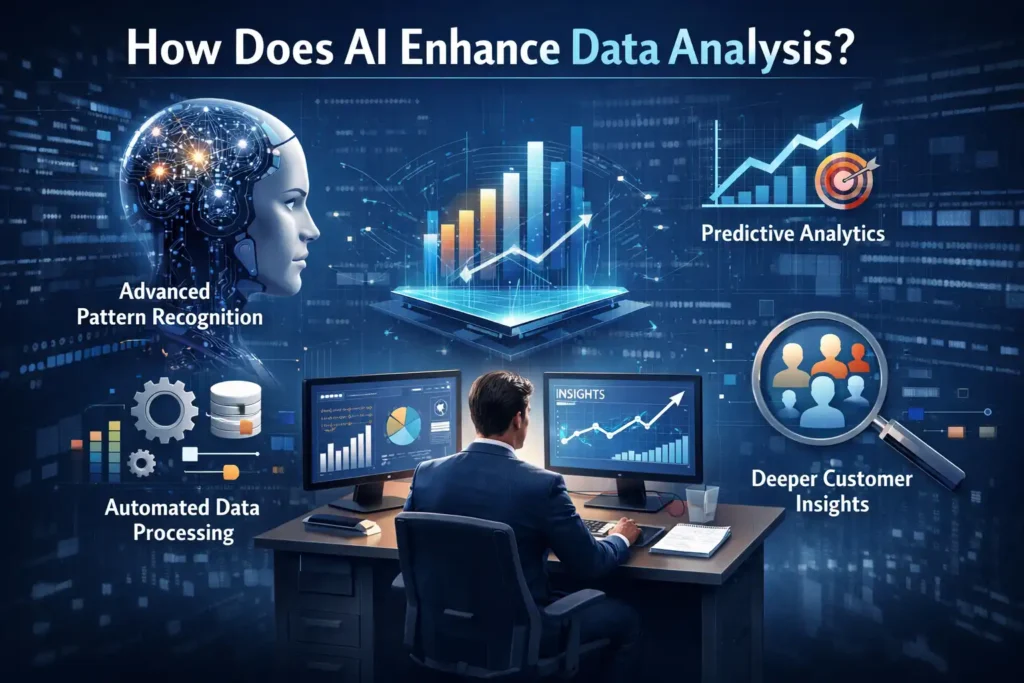
Advanced Data Analysis with AI
AI can analyze up to 10 times more data than traditional methods. This capability allows marketers to gain deeper insights into customer behavior, market trends, and campaign performance. With AI, businesses can make more informed decisions and optimize their strategies.
Implement AI-driven analytics tools to process and analyze large volumes of data. Use the insights gained to refine your marketing strategies and make data-driven decisions that improve performance.
16. How Does AI Improve Customer Experience?
Enhancing Customer Experience with AI
A notable 78% of marketers using AI say it enhances their ability to deliver a better customer experience. AI enables personalized interactions, timely responses, and predictive insights that can anticipate customer needs. This leads to a more satisfying and seamless customer journey.
To enhance customer experience, use AI to personalize interactions and predict customer needs. Implement AI tools that can provide real-time recommendations and support, ensuring a smooth and enjoyable experience for your customers.
17. What ROI Can Be Expected from AI Applications in Marketing?
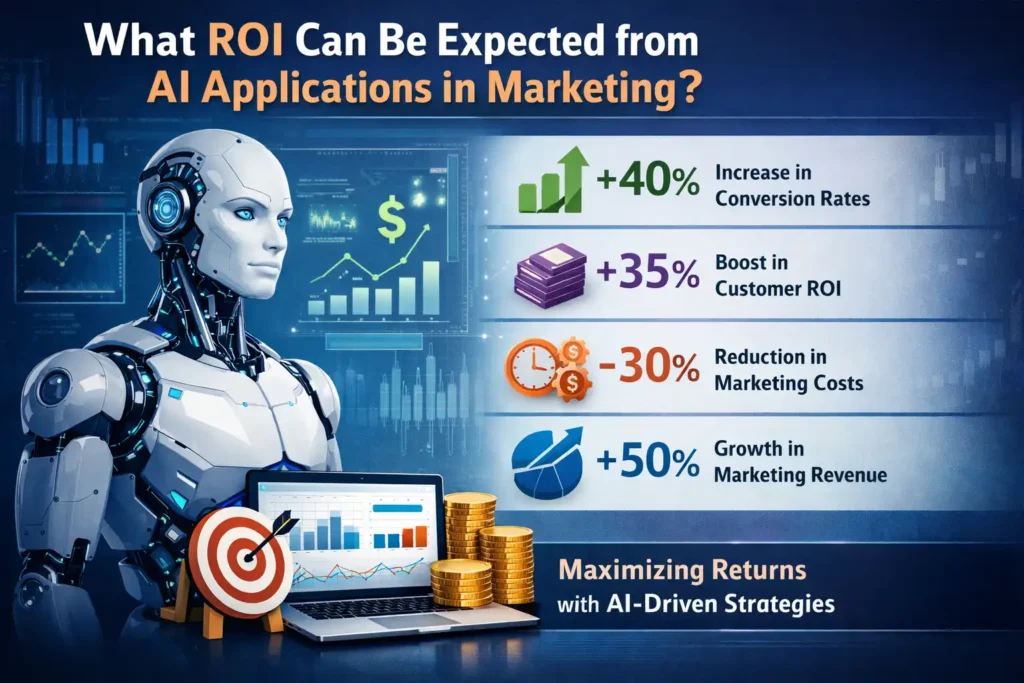
ROI Improvements with AI
AI applications in marketing can increase ROI by 20-40%. By automating processes, optimizing campaigns, and delivering personalized experiences, AI helps businesses achieve higher returns on their marketing investments. This makes AI a valuable tool for driving business growth.
To maximize ROI, invest in AI technologies that enhance your marketing efforts. Focus on areas such as predictive analytics, personalized marketing, and campaign optimization to achieve the best results.
18. Are Marketers Increasing Their Investment in AI?
Growing Investment in AI
To stay competitive, allocate a portion of your marketing budget to AI technologies. Continuously evaluate and adopt new AI tools that can enhance your marketing strategy and deliver better results.
19. How Does AI-Driven Analytics Improve Decision-Making?
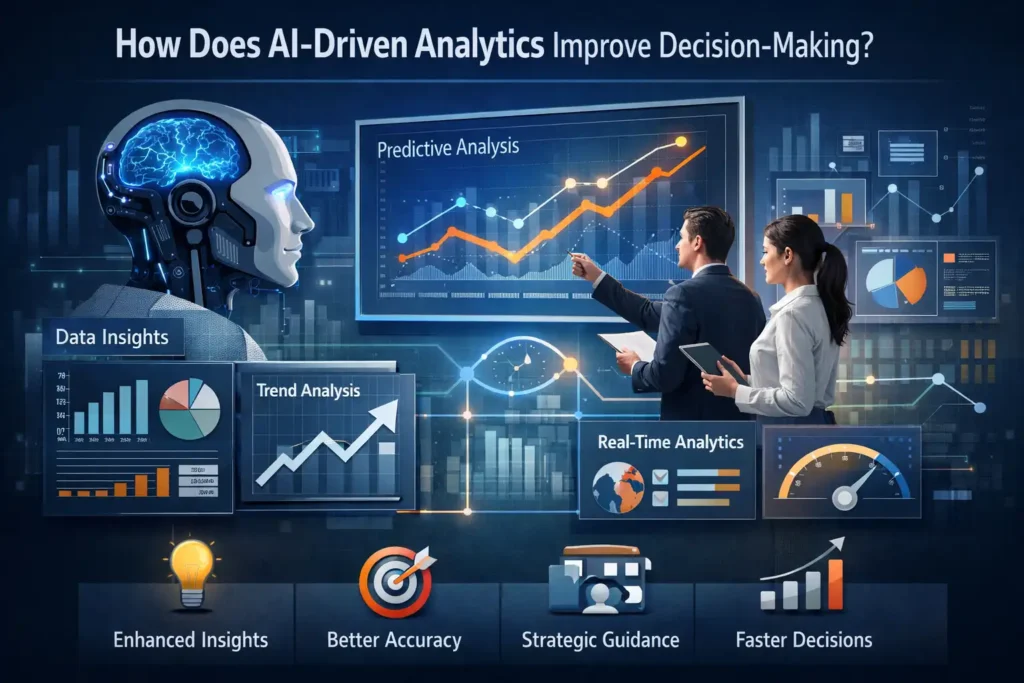
Improving Decision-Making with AI
AI-driven analytics improve decision-making for 76% of marketers. By providing detailed insights and predictive capabilities, AI helps marketers make more informed and accurate decisions. This leads to better campaign performance and overall business success.
Implement AI analytics tools to gain deeper insights into your marketing data. Use these insights to guide your strategy, optimize your campaigns, and make data-driven decisions that enhance your marketing efforts.
20. How Do Companies Use AI to Improve Social Media Strategies?

Enhancing Social Media with AI
A notable 55% of companies use AI to improve their social media strategies. AI can analyze social media trends, monitor brand sentiment, and optimize content distribution. This helps businesses enhance their social media presence and engage with their audience more effectively.
To improve your social media strategy, use AI tools that track and analyze social media activity. Use the insights gained to tailor your content, engage with your audience, and monitor the effectiveness of your social media campaigns.
21. How Will AI Revolutionize the Marketing Industry?
AI’s Transformative Impact
An impressive 87% of marketers believe AI will revolutionize their industry. AI’s capabilities in data analysis, personalization, automation, and predictive insights are set to transform how marketing is conducted. The ability to deliver highly targeted and effective marketing strategies makes AI an indispensable tool for the future.
To be part of this revolution, start exploring AI technologies that align with your marketing goals. Stay updated on the latest AI trends and innovations to continuously refine and enhance your marketing strategies.
22. How Does AI Enable 24/7 Customer Service Support?
Round-the-Clock Support with AI
AI enables 24/7 customer service support for 63% of businesses. AI-powered chatbots and virtual assistants can provide round-the-clock assistance, answering customer queries and resolving issues even outside of regular business hours. This ensures continuous support and improves customer satisfaction.
Implement AI-driven customer service tools to offer 24/7 support. Ensure your AI systems are well-trained to handle a wide range of inquiries and provide accurate, helpful responses at any time.
23. How Is AI Used in Predictive Analytics?
Predictive Analytics with AI
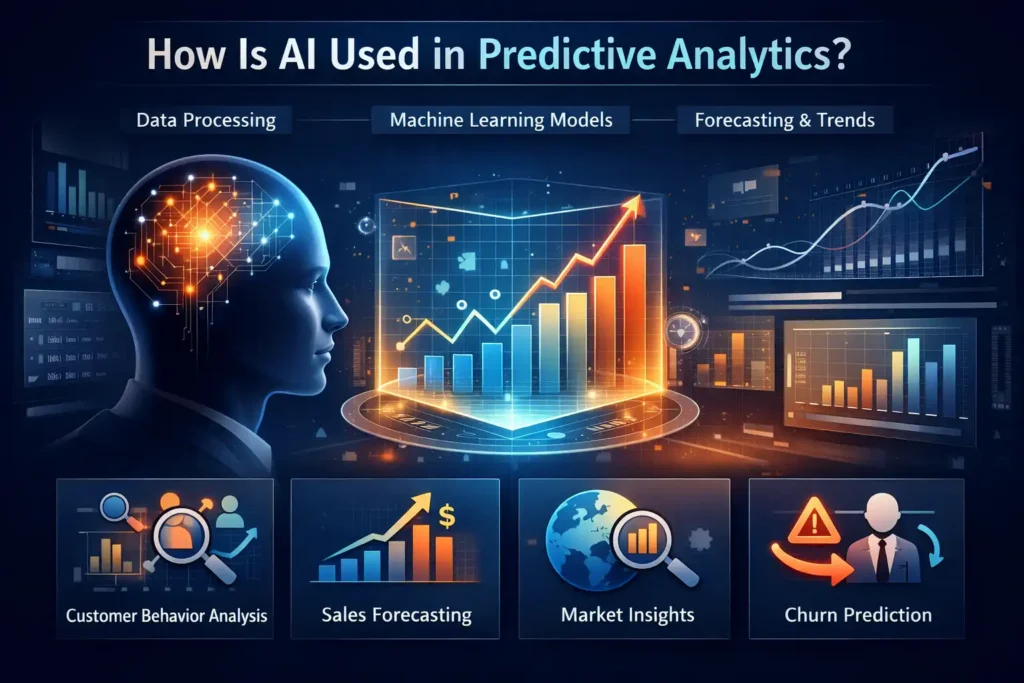
A significant 58% of marketers use AI for predictive analytics. AI can analyze historical data to predict future trends, customer behaviors, and campaign outcomes. This enables marketers to make proactive decisions and optimize their strategies for better results.
To leverage predictive analytics, implement AI tools that can process and analyze large datasets. Use the predictive insights gained to guide your marketing strategy, anticipate customer needs, and optimize your campaigns for maximum impact.
24. How Does AI Enhance Ad Targeting?
Improved Ad Targeting with AI
AI-enhanced ad targeting increases click-through rates by 25%. AI can analyze user data to identify the most relevant audience segments and optimize ad placements. This leads to more effective targeting and higher engagement rates for your ads.
Incorporate AI-driven ad targeting tools into your marketing strategy. Use AI to analyze user behavior, segment your audience, and optimize your ad campaigns to achieve better performance and higher ROI.
25. How Does AI Help Understand Customer Preferences?
Understanding Customer Preferences with AI
A significant 69% of marketers using AI say it helps them understand customer preferences better. AI can analyze customer data to identify patterns and insights into what customers like and dislike. This enables more personalized and effective marketing strategies.
Use AI tools to gather and analyze customer data. Apply the insights gained to tailor your marketing messages, product recommendations, and overall customer experience to better meet your audience’s preferences and needs.
26. How Is AI Used to Optimize Content Marketing Strategies?

Content Optimization with AI
AI is used by 66% of marketers to optimize their content marketing strategies. AI can analyze content performance, suggest improvements, and help create more engaging and relevant content. This leads to better audience engagement and higher conversion rates.
Implement AI-driven content optimization tools to enhance your content marketing efforts. Use AI to analyze content metrics, identify high-performing topics, and refine your content strategy for better results.
27. How Does AI Reduce Time Spent on Data Analysis?
Efficiency in Data Analysis
AI reduces the time spent on data analysis by 50%. AI can quickly process and analyze large datasets, providing actionable insights in a fraction of the time it would take using traditional methods. This allows marketers to make faster and more informed decisions.
Incorporate AI analytics tools into your marketing processes to streamline data analysis. Use AI to quickly gather insights, monitor performance, and adjust your strategies in real-time.
28. How Essential Will AI Be for Future Marketing Efforts?
AI’s Future Importance
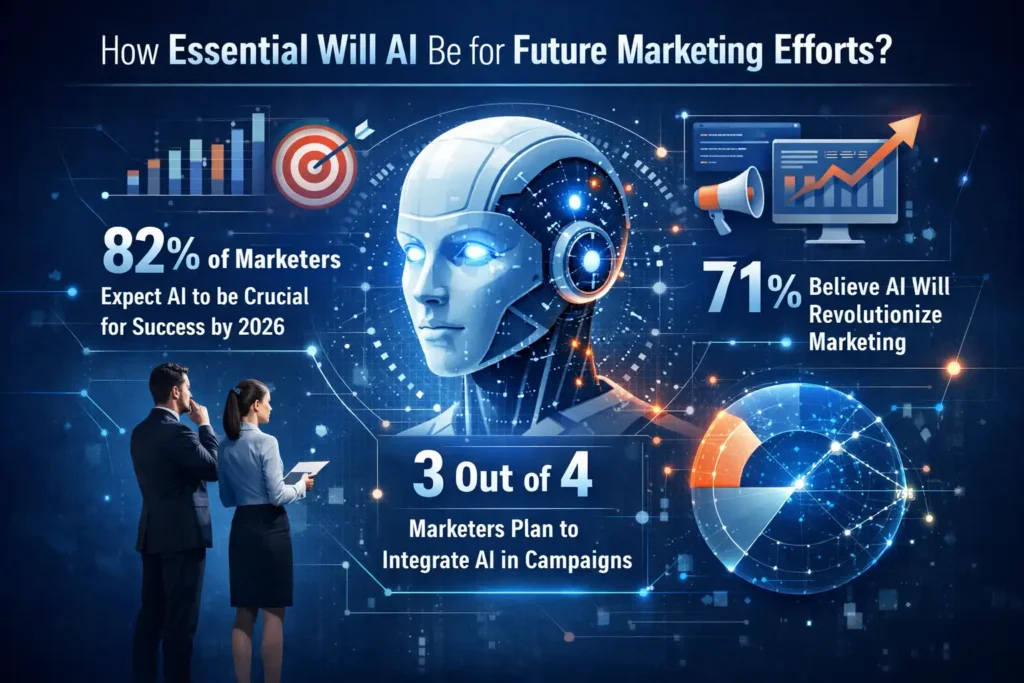
A notable 74% of marketers believe AI will be essential for their future marketing efforts. As AI technologies continue to evolve, they will play a crucial role in shaping the future of marketing. From automation to personalization, AI will be key to delivering effective and impactful marketing strategies.
To prepare for the future, start integrating AI into your marketing strategy now. Focus on areas where AI can have the most significant impact, such as data analysis, customer personalization, and campaign optimization.
29. How Common Are AI-Powered CRM Systems?
Adoption of AI-Powered CRMs
AI-powered CRM systems are used by 62% of businesses. These systems leverage AI to automate customer relationship management tasks, provide deeper insights into customer behavior, and enhance overall efficiency. This leads to better customer relationships and improved sales performance.
Implement AI-powered CRM tools to manage your customer relationships more effectively. Use AI to automate tasks, analyze customer data, and improve your overall CRM strategy.
30. How Does AI Improve Marketing Campaign Efficiency?
Enhancing Campaign Efficiency with AI
AI can improve marketing campaign efficiency by up to 40%. By automating tasks, optimizing resource allocation, and providing real-time insights, AI helps marketers run more efficient and effective campaigns. This leads to better performance and higher ROI.
Incorporate AI tools into your campaign management processes to enhance efficiency. Use AI to automate routine tasks, optimize your strategies, and monitor campaign performance in real-time.
Conclusion
Embrace the power of AI to drive innovation, efficiency, and effectiveness in your marketing strategies. Continuously explore new AI applications and stay updated on the latest developments to ensure your marketing efforts remain cutting-edge and impactful.
We got all the latest Marketing Stats here:
Read Next











Comments are closed.