As a marketer, this means you need to be strategic about where and how you allocate your ad budget. Investing in high-quality content and precise targeting can help you stand out in a crowded marketplace. Additionally, leveraging advanced analytics tools to track the performance of your ads can ensure that every dollar spent contributes to your overall marketing goals.
2. Why do 80% of marketers believe social media marketing will be more important in 2026?
The growing importance of social media also reflects changing consumer behaviors. People are spending more time on social platforms, using them not just for socializing but also for shopping, customer service, and entertainment. As such, being active on social media allows businesses to meet their customers where they already are.
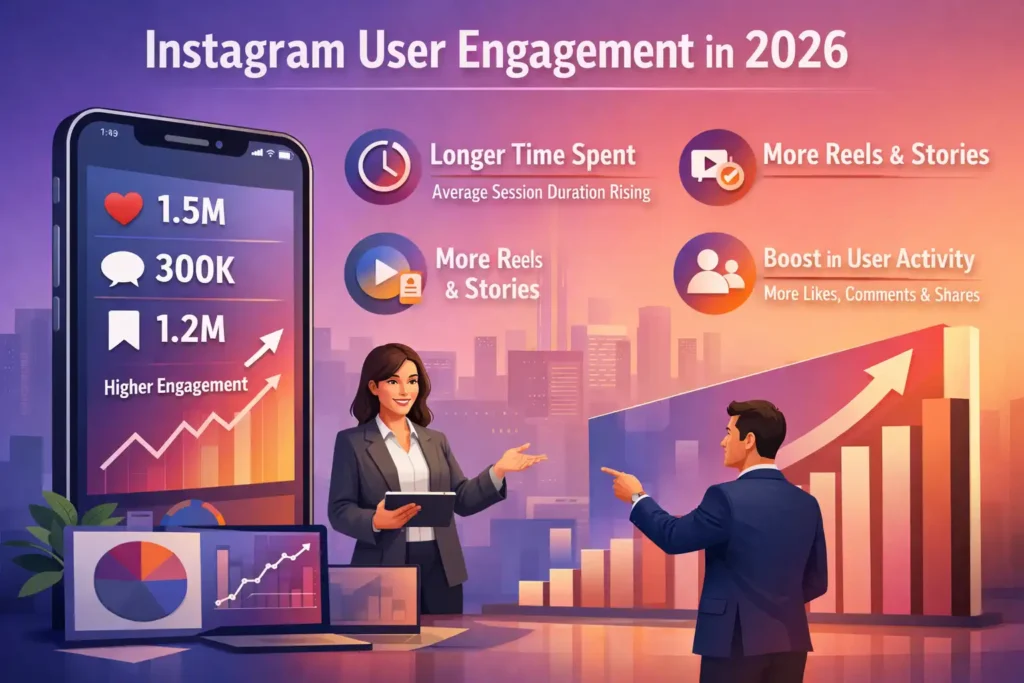
3. How is Instagram user engagement expected to change in 2026?
For marketers, higher engagement rates mean more opportunities to connect with potential customers. Creating engaging content that resonates with your audience can help you take full advantage of Instagram’s growing user interaction. Experimenting with different types of content, such as behind-the-scenes videos, user-generated content, and interactive polls, can keep your audience engaged and invested in your brand.
4. What trends are expected among Gen Z users on social media in 2026?
For businesses, this trend underscores the importance of understanding and catering to Gen Z’s preferences. This generation values authenticity, creativity, and social responsibility. Brands that can communicate their values effectively and engage with Gen Z in meaningful ways will likely see better results. Utilizing influencers and creating shareable, relatable content can help attract and retain this demographic.
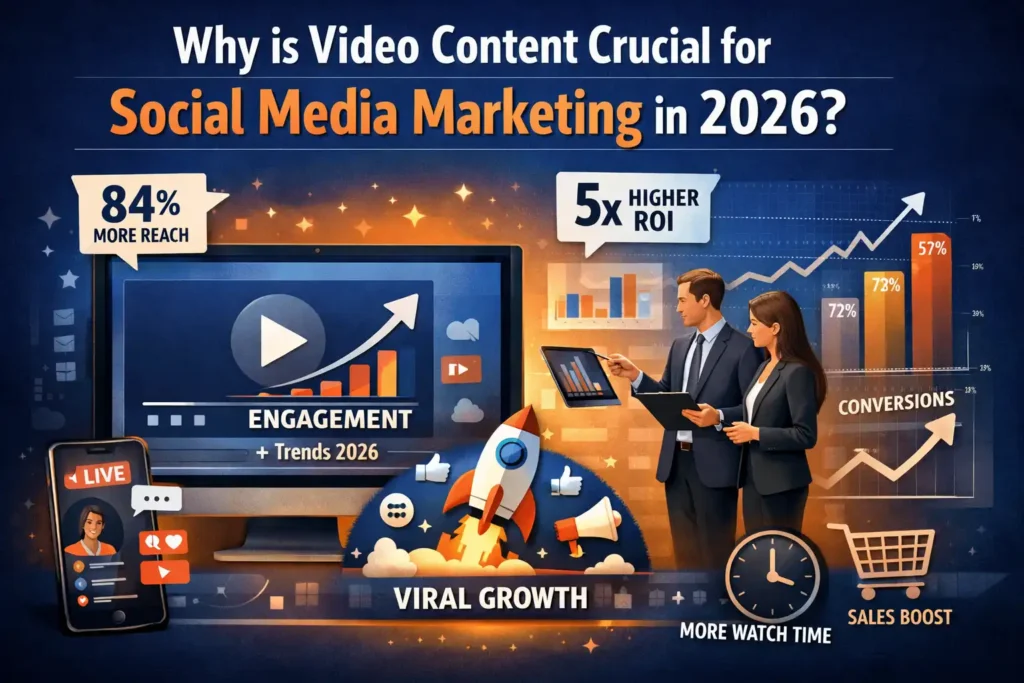
5. Why is video content crucial for social media marketing in 2026?
Videos can capture attention quickly and convey complex information in an easily digestible format. They also encourage higher engagement rates compared to text or image posts. By incorporating video content into your social media strategy, you can increase your reach, engagement, and conversion rates.
6. How is influencer marketing on social media expected to grow in 2026?
Collaborating with influencers allows brands to leverage their credibility and reach. However, it’s essential to choose influencers whose values align with your brand and who genuinely connect with their audience. Micro-influencers, in particular, can offer more targeted engagement and often have higher interaction rates than their larger counterparts.
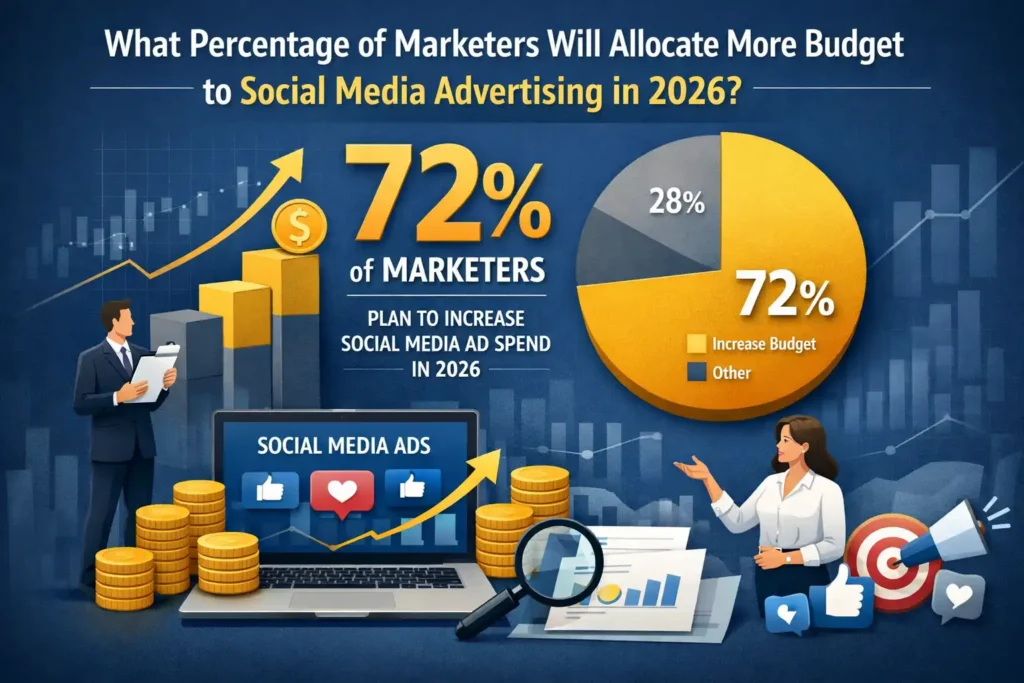
7. What percentage of marketers will allocate more budget to social media advertising in 2026?
As you plan your marketing budget, consider the platforms that are most effective for reaching your target audience. Invest in high-quality creative assets and continually test different ad formats and messages to optimize your campaigns. Keeping an eye on the performance metrics will help you make data-driven decisions and maximize the impact of your advertising spend.
8. How will social media platforms’ share of digital ad spend change in 2026?
To capitalize on this trend, businesses should diversify their ad spend across multiple social media platforms. Each platform has its unique audience and strengths, so a multi-platform strategy can help you reach a broader and more diverse audience. Additionally, staying updated with the latest ad formats and features can give you a competitive edge.
9. How likely are consumers to make purchases based on social media referrals in 2026?
To harness the power of social media referrals, encourage satisfied customers to share their experiences and reviews online. User-generated content, such as photos and videos of customers using your products, can serve as authentic testimonials. Running referral programs and offering incentives for sharing can also boost word-of-mouth marketing.
For marketers, TikTok’s growth presents an opportunity to reach a younger, highly engaged audience. Creating trendy and entertaining content that aligns with TikTok’s style can help you capture the attention of its users. Participating in challenges, using popular music tracks, and collaborating with TikTok influencers can further amplify your reach.
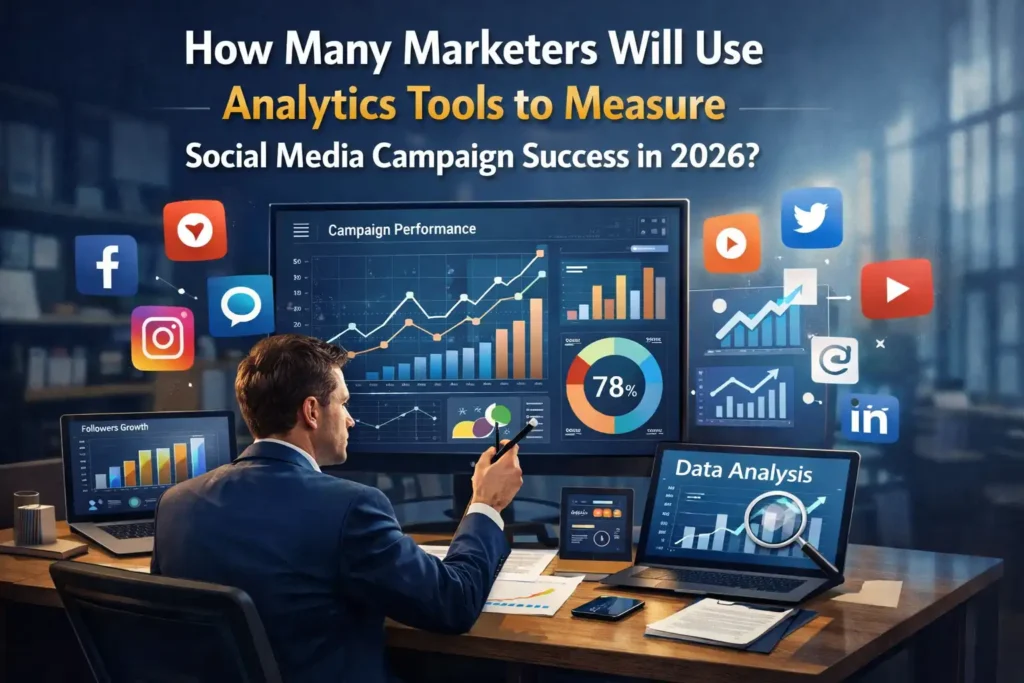
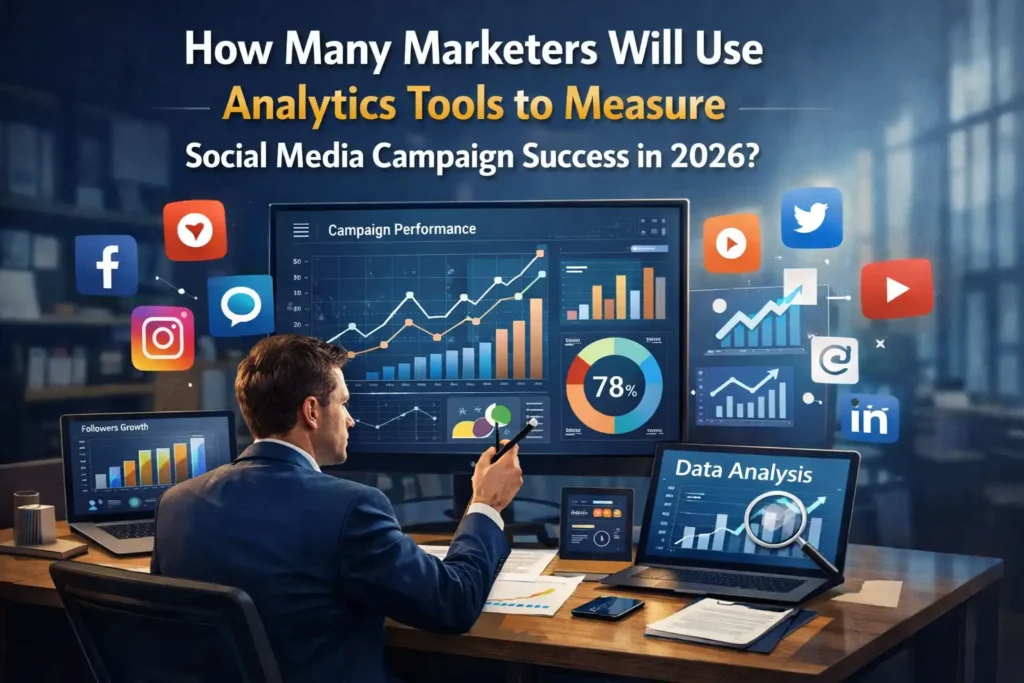
11. How many marketers will use analytics tools to measure social media campaign success in 2026?
To make the most of your social media analytics, regularly review your data and adjust your strategies accordingly. Look for patterns and trends that can inform your content creation and ad targeting. Utilizing these insights will help you refine your approach and achieve better results over time.
12. How will LinkedIn’s B2B marketing engagement change in 2026?
To enhance your B2B marketing efforts on LinkedIn, focus on creating valuable content that addresses the pain points and needs of your audience. Participate in industry discussions, join relevant groups, and leverage LinkedIn’s networking capabilities to build connections and generate leads. Consistent engagement and thought leadership can position your brand as an industry authority.
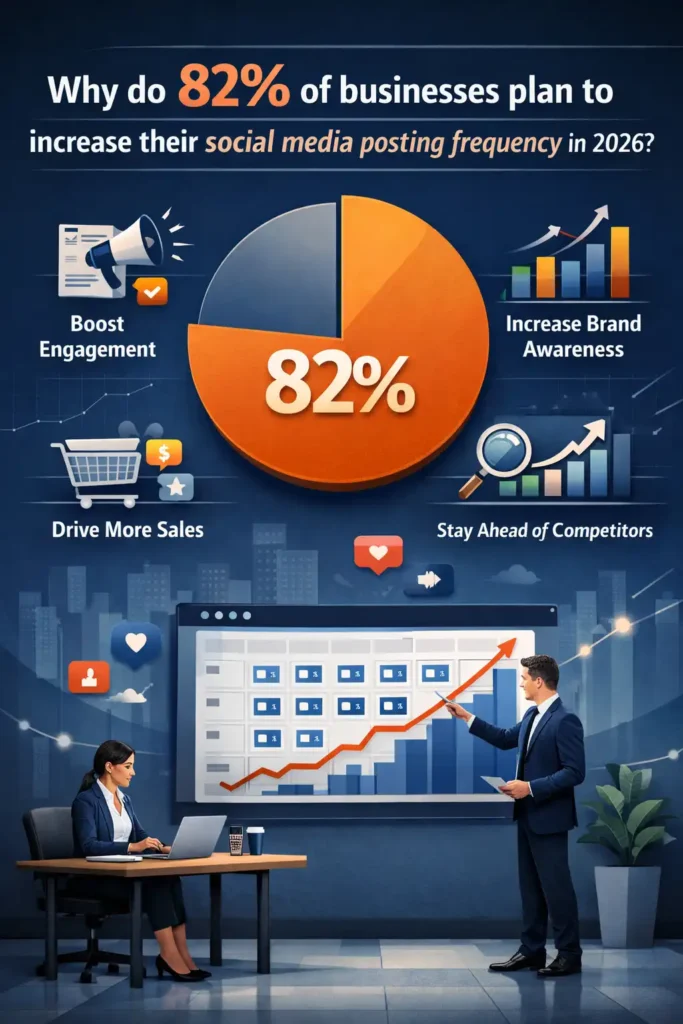
13. Why do 82% of businesses plan to increase their social media posting frequency in 2026?
When increasing your posting frequency, it’s important to maintain quality and relevance. Plan your content calendar in advance and ensure a mix of different types of posts, such as promotional content, educational articles, behind-the-scenes looks, and user-generated content. Using scheduling tools can help you manage your posting frequency without sacrificing quality.
14. Why do 68% of marketers believe social media is the most effective channel for brand awareness in 2026?
content also contribute to the widespread visibility of brands on social media.
To leverage social media for brand awareness, create shareable and engaging content that resonates with your audience. Utilize visual elements such as images, videos, and infographics to capture attention. Engaging with your audience through comments, messages, and interactive content like polls and quizzes can also boost your brand’s visibility.
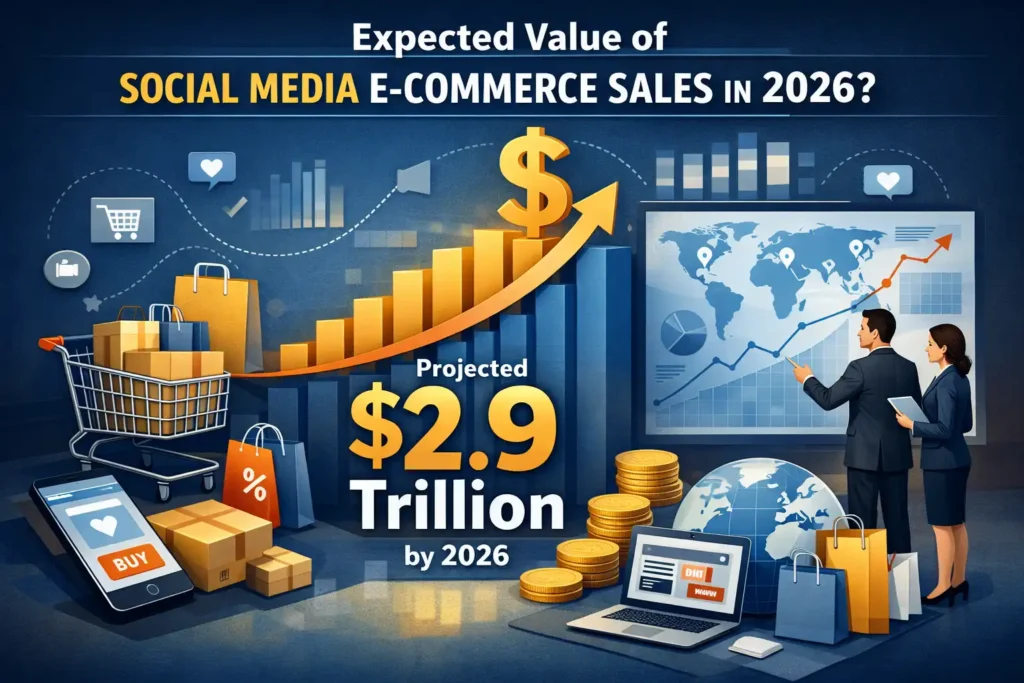
15. What is the expected value of social media e-commerce sales in 2026?
For businesses, this means integrating social commerce into your strategy is crucial. Ensure your social media profiles are optimized for sales, with clear calls-to-action and easy navigation to your online store. Utilize features like Instagram Shopping and Facebook Shops to showcase your products and make it convenient for customers to purchase directly from your social media pages.
16. Why will 78% of marketers prioritize personalized content on social media in 2026?
To create personalized content, leverage social media analytics and insights to understand your audience’s preferences. Use this information to craft messages and offers that align with their interests. Personalized content can include targeted ads, customized recommendations, and personalized interactions through direct messages and comments.
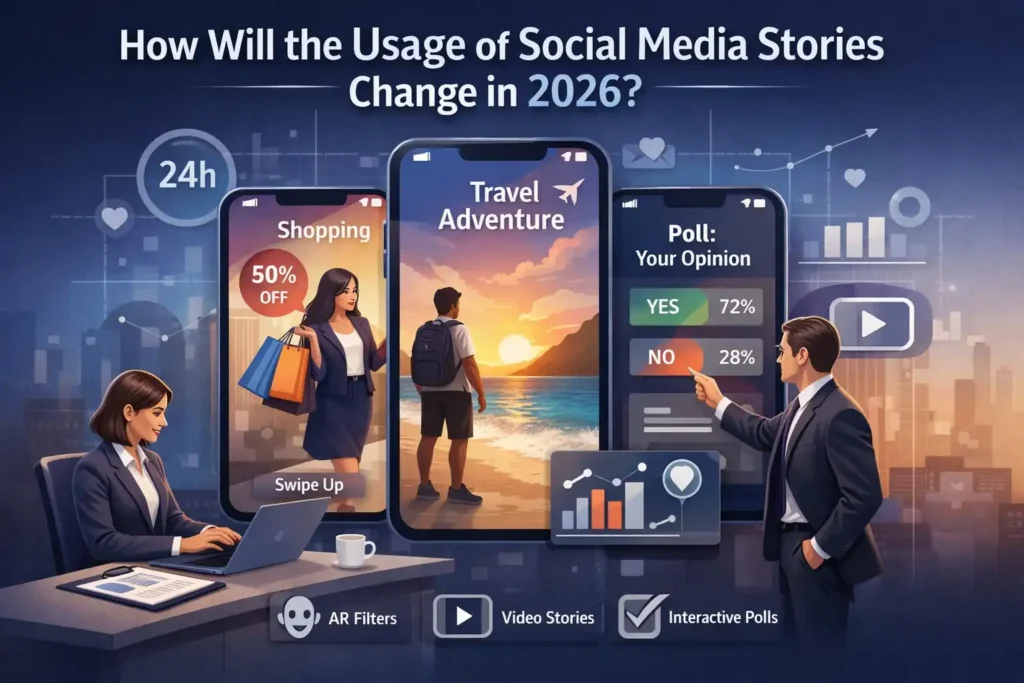
17. How will the usage of social media stories change in 2026?
Brands can take advantage of stories by sharing behind-the-scenes content, exclusive updates, limited-time offers, and interactive elements like polls and questions. The ephemeral nature of stories encourages users to engage quickly, making it an effective tool for driving immediate action and creating a sense of urgency.
18. How will Twitter’s ad revenue change in 2026?
To maximize your ad revenue on Twitter, focus on creating compelling and timely content that encourages engagement. Utilize Twitter’s targeting options to reach specific demographics and interests. Monitoring trending topics and participating in relevant conversations can also enhance your brand’s visibility and engagement on the platform.
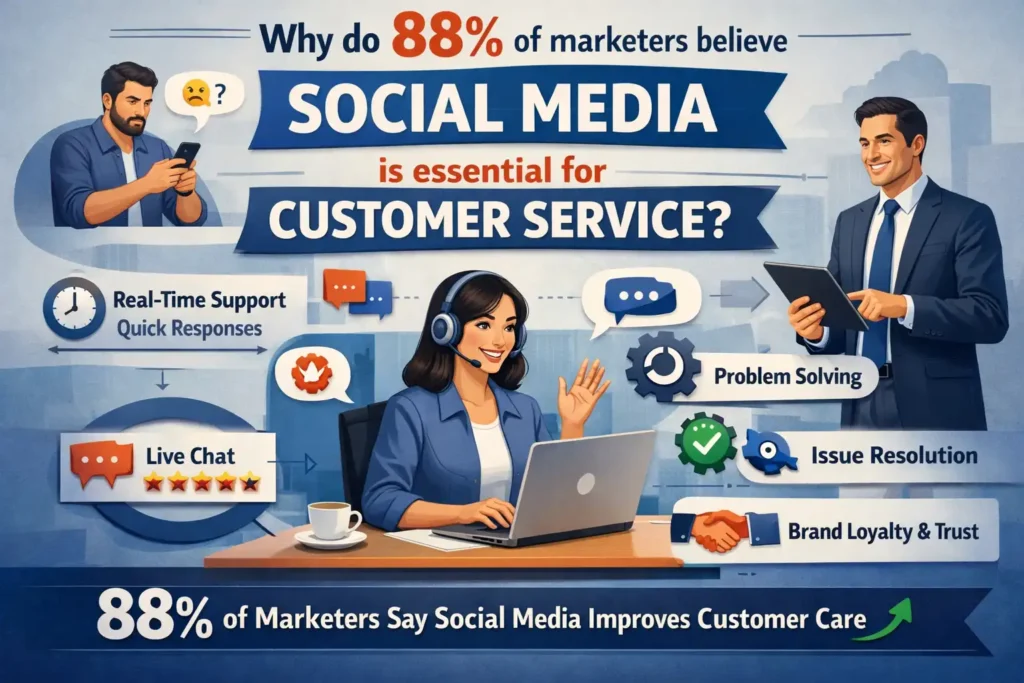
19. Why do 88% of marketers believe social media is essential for customer service in 2026?
To provide excellent customer service on social media, ensure that you have a dedicated team to monitor and respond to messages and comments promptly. Use social media management tools to track customer interactions and maintain a consistent tone and approach. Proactive engagement and timely resolutions can turn potential issues into positive experiences.
20. Why will 55% of marketers use AR filters in their social media campaigns in 2026?
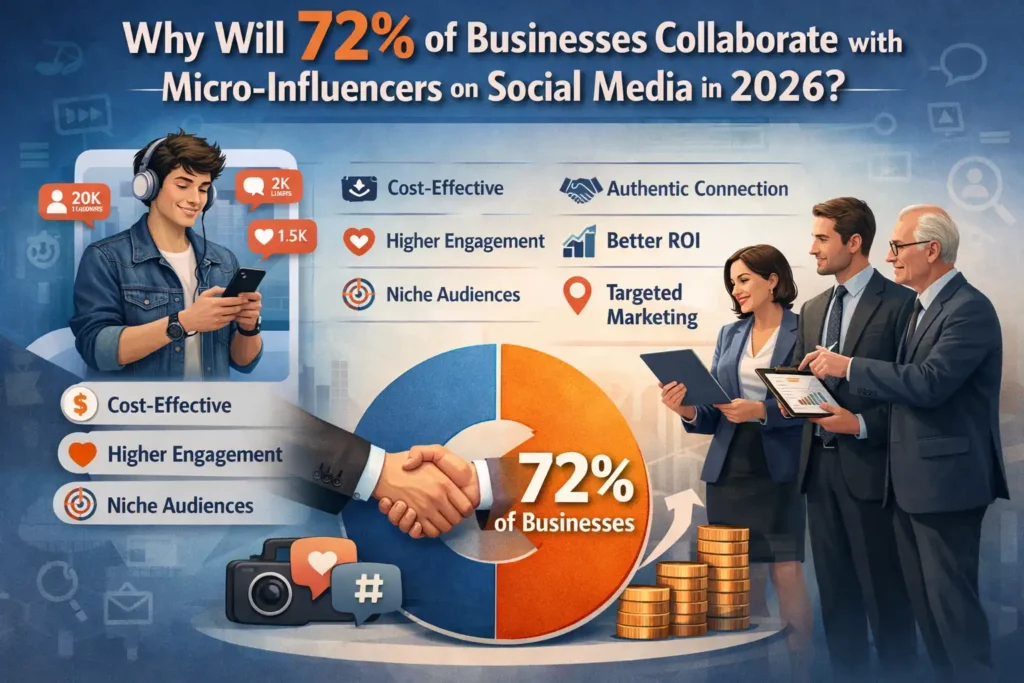
21. Why will 72% of businesses collaborate with micro-influencers on social media in 2026?
For businesses, collaborating with micro-influencers can provide targeted reach and authentic promotion. These influencers can create personalized content that resonates with their audience, which can help brands build trust and drive sales. When selecting micro-influencers, consider their audience demographics, engagement rates, and alignment with your brand values.
22. Why do 83% of social media users expect brands to be active on social platforms in 2026?
To meet these expectations, ensure your brand is consistently active on relevant social media platforms. Post regularly, engage with your audience through comments and messages, and participate in trending conversations. An active presence helps build a community around your brand and fosters stronger relationships with your customers.
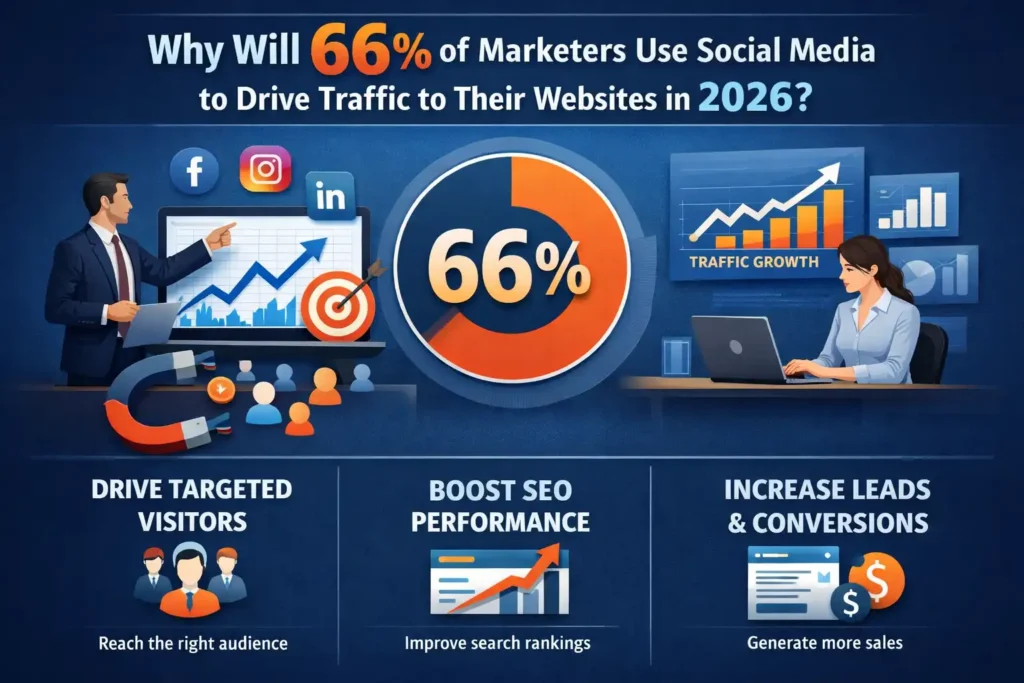
23. Why will 66% of marketers use social media to drive traffic to their websites in 2026?
To effectively drive traffic from social media to your website, create compelling posts that encourage clicks. Use clear calls-to-action, attractive visuals, and engaging headlines. Regularly share blog posts, product updates, and special offers to entice your audience to visit your website. Additionally, track your social media referral traffic to understand which platforms and content perform best.
24. How will consumer behavior regarding exclusive deals and offers on social media change in 2026?
To capitalize on this trend, create exclusive deals and offers specifically for your social media audience. Promote these deals through eye-catching posts, stories, and ads. Use hashtags and contests to increase visibility and engagement. Providing value through exclusive offers can encourage users to follow your brand and become loyal customers.
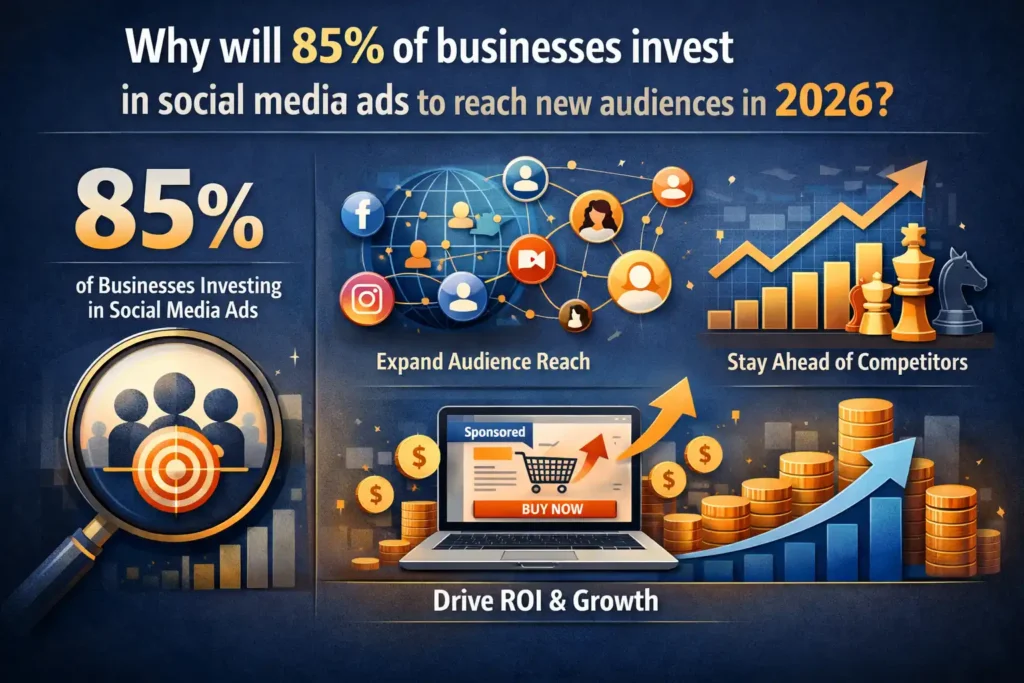
25. Why will 85% of businesses invest in social media ads to reach new audiences in 2026?
To effectively reach new audiences with social media ads, define your target audience and tailor your ads to their preferences. Use engaging visuals, compelling copy, and clear calls-to-action. Regularly analyze your ad performance and adjust your targeting and creative strategies to optimize results. Investing in social media ads can expand your reach and drive growth.
To leverage live streaming, plan regular live events such as product launches, Q&A sessions, behind-the-scenes tours, and interviews with industry experts. Promote your live streams in advance to build anticipation and ensure high attendance. Engage with viewers during the stream by responding to comments and questions, and encourage them to share the live stream with their network.
27. Why will 69% of businesses use social media to launch new products in 2026?
For a successful product launch on social media, create a comprehensive launch plan that includes teasers, countdowns, and exclusive previews. Collaborate with influencers to amplify your reach and generate authentic endorsements. Use hashtags and interactive content to increase visibility and engagement. Measuring the performance of your launch campaign can help you refine your approach for future product releases.
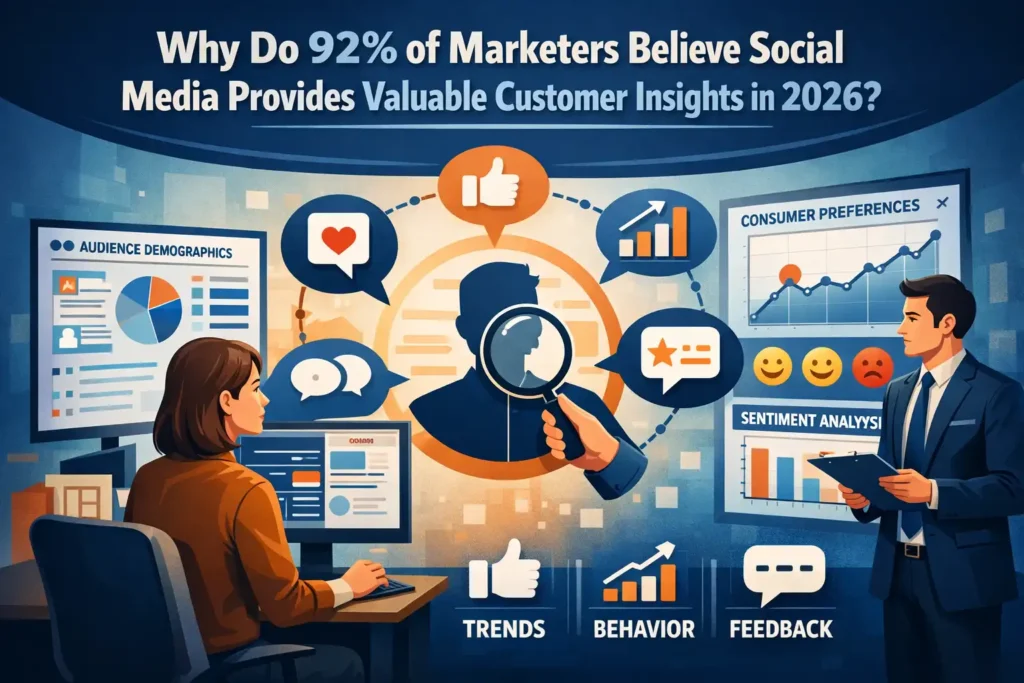
28. Why do 92% of marketers believe social media provides valuable customer insights in 2026?
To gather customer insights from social media, use analytics tools to track key metrics such as engagement rates, demographics, and sentiment. Monitor conversations about your brand and industry to identify trends and opportunities. Engage with your audience to gain direct feedback and insights into their needs and preferences. Leveraging these insights can help you create more effective and personalized marketing campaigns.
29. Why will 80% of brands use user-generated content in their social media marketing in 2026?
To encourage UGC, create campaigns that invite customers to share their experiences and tag your brand. Feature UGC on your social media profiles and website to showcase real-life use cases and build social proof. Running contests and offering incentives for sharing can also increase UGC participation. Incorporating UGC into your social media strategy can boost engagement and strengthen your brand’s community.
30. How will the usage of interactive content on social media change in 2026?
To integrate interactive content into your social media strategy, create engaging and fun polls, quizzes, and interactive videos that resonate with your audience. Use interactive stories on Instagram and Facebook to engage users and gather feedback. Incorporate gamification elements to make your content more appealing and encourage users to share their results. Interactive content can help you build a more engaged and loyal audience.
Poulomi Chakraborty is at the heart of our digital marketing team at WinSavvy.
With a keen grasp on the ever-evolving world of SEO and digital trends, she is known for her thoughtful and strategic approach. Poulomi blends deep industry knowledge with a genuine enthusiasm for helping businesses shine online.
Her ability to translate complex digital concepts into clear, actionable strategies is what sets her apart.
WinSavvy Editorial Standards Expert-written Editor-reviewed Sources cited 10+ hours research How this article was created ✍️ Written by a specialist This article was drafted by…
WinSavvy Editorial Standards Expert-written Editor-reviewed Sources cited 10+ hours research How this article was created ✍️ Written by a specialist This article was drafted by…
WinSavvy Editorial Standards Expert-written Editor-reviewed Sources cited 10+ hours research How this article was created ✍️ Written by a specialist This article was drafted by…
WinSavvy Editorial Standards Expert-written Editor-reviewed Sources cited 10+ hours research How this article was created ✍️ Written by a specialist This article was drafted by…
WinSavvy Editorial Standards Expert-written Editor-reviewed Sources cited 10+ hours research How this article was created ✍️ Written by a specialist This article was drafted by…
WinSavvy Editorial Standards Expert-written Editor-reviewed Sources cited 10+ hours research How this article was created ✍️ Written by a specialist This article was drafted by…
WinSavvy Editorial Standards Expert-written Editor-reviewed Sources cited 10+ hours research How this article was created ✍️ Written by a specialist This article was drafted by…
WinSavvy Editorial Standards Expert-written Editor-reviewed Sources cited 10+ hours research How this article was created ✍️ Written by a specialist This article was drafted by…
WinSavvy Editorial Standards Expert-written Editor-reviewed Sources cited 10+ hours research How this article was created ✍️ Written by a specialist This article was drafted by…
WinSavvy Editorial Standards Expert-written Editor-reviewed Sources cited 10+ hours research How this article was created ✍️ Written by a specialist This article was drafted by…
WinSavvy Editorial Standards Expert-written Editor-reviewed Sources cited 10+ hours research How this article was created ✍️ Written by a specialist This article was drafted by…
WinSavvy Editorial Standards Expert-written Editor-reviewed Sources cited 10+ hours research How this article was created ✍️ Written by a specialist This article was drafted by…
WinSavvy Editorial Standards Expert-written Editor-reviewed Sources cited 10+ hours research How this article was created ✍️ Written by a specialist This article was drafted by…
WinSavvy Editorial Standards Expert-written Editor-reviewed Sources cited 10+ hours research How this article was created ✍️ Written by a specialist This article was drafted by…
WinSavvy Editorial Standards Expert-written Editor-reviewed Sources cited 10+ hours research How this article was created ✍️ Written by a specialist This article was drafted by…
WinSavvy Editorial Standards Expert-written Editor-reviewed Sources cited 10+ hours research How this article was created ✍️ Written by a specialist This article was drafted by…
WinSavvy Editorial Standards Expert-written Editor-reviewed Sources cited 10+ hours research How this article was created ✍️ Written by a specialist This article was drafted by…
WinSavvy Editorial Standards Expert-written Editor-reviewed Sources cited 10+ hours research How this article was created ✍️ Written by a specialist This article was drafted by…
WinSavvy Editorial Standards Expert-written Editor-reviewed Sources cited 10+ hours research How this article was created ✍️ Written by a specialist This article was drafted by…
WinSavvy Editorial Standards Expert-written Editor-reviewed Sources cited 10+ hours research How this article was created ✍️ Written by a specialist This article was drafted by…



















Comments are closed.